Understanding New Wearable Fall Detection Research for Seniors
For family caregivers, the lingering fear of an aging parent experiencing a fall while alone is a constant source of stress.
Falls are a leading cause of injury among older adults, often leading to severe health complications and a loss of independence. In the past, traditional medical alert systems relied heavily on the user physically pushing a button after a fall occurred—a mechanism that fails if the individual is unconscious, panicked, or unable to reach the device. Today, digital health technology has introduced sophisticated wearable fall detection devices designed to automatically sense a sudden drop and immediately alert emergency contacts or emergency services. However, family caregivers are often left navigating confusing marketing claims, wondering if consumer smartwatches and specialized medical wearables are truly reliable enough to trust with a loved one's safety.
This article simplifies recent clinical research surrounding the accuracy of wearable fall detection devices. By understanding how these algorithms work, reviewing the latest scientific data on predicting and detecting falls, and learning how to integrate these tools into a broader medical strategy, families can make informed decisions to enhance the safety of aging parents.
The Evolution of Wearable Fall Detection Devices
The landscape of medical alert technology has transformed dramatically over the past decade. Historically, fall response systems were limited to basic pendants or wristbands equipped with a single push-button mechanism. While revolutionary at the time, these systems had significant limitations. They required active participation from the user during a highly stressful or medically critical moment. If an elderly patient experienced a medical event that caused unconsciousness before the fall, the traditional alert pendant was rendered useless unless discovered by a bystander.
The introduction of wearable fall detection devices has shifted the paradigm from reactive manual alerts to automated, proactive safety monitoring. Modern smartwatches, fitness trackers, and specialized medical wearables now incorporate complex internal sensors originally developed for aerospace and mobile computing. These sensors run continuously in the background, analyzing movement patterns dozens of times per second. By leveraging advancements in micro-electro-mechanical systems (MEMS), engineers have been able to shrink powerful accelerometers and gyroscopes into lightweight, unobtrusive devices that seniors actually want to wear.
Beyond simple detection, the evolution of these devices now touches upon predictive analytics. Some modern wearables track longitudinal data regarding an individual's gait speed, step length, and walking asymmetry. When a senior's walking pattern gradually becomes more unstable over several weeks or months, the software can flag this decline as an increased risk for a future fall. This predictive capability allows families and healthcare providers to intervene early, perhaps by recommending physical therapy or adjusting medications that might be causing dizziness. For a comprehensive look at how digital health tools are integrated into modern patient care, reading educational articles on virtual care technology can be highly beneficial for caregivers.
- Transition from manual push-button pendants to automated sensor-based smartwatches.
- Integration of micro-electro-mechanical systems (MEMS) for continuous movement tracking.
- Evolution from simple fall detection to tracking long-term gait stability and fall prediction.
The Shift to Consumer-Friendly Designs
One of the most significant barriers to traditional medical alert adoption was the stigma attached to wearing a prominent "help button." Many seniors refused to wear them out of pride or embarrassment. Wearable fall detection devices embedded within popular consumer smartwatches have largely eliminated this stigma. Because people of all ages wear smartwatches for fitness tracking and notifications, seniors can utilize advanced fall detection technology without broadcasting their vulnerabilities. This normalization of digital health wearables has led to significantly higher compliance rates among older populations.

How Modern Smartwatches Detect and Predict Falls
Understanding the mechanics behind wearable fall detection devices helps clarify why they are both highly advanced and sometimes prone to errors. At the core of a fall detection system are two primary sensors: the accelerometer and the gyroscope. The accelerometer measures the rate of acceleration or deceleration in different directions. When a person falls, there is a distinct pattern: a sudden drop toward the ground followed by an abrupt stop upon impact. The gyroscope complements this by measuring rotational movement or changes in orientation. A true fall typically involves a significant shift in the body's angle relative to gravity, rather than just a linear downward motion.
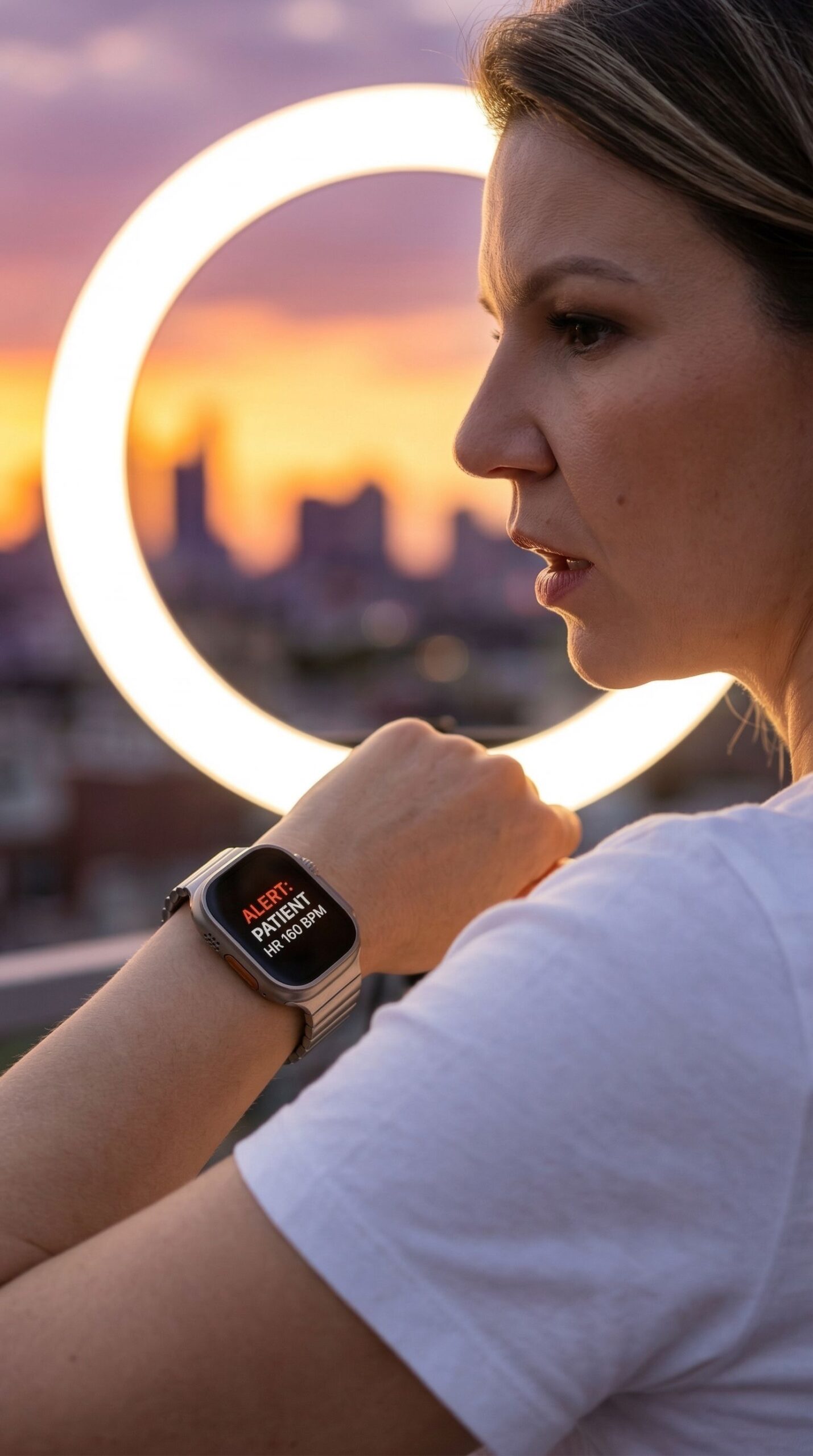
When a wearable device registers data that mimics a fall, the internal software algorithms instantly process the sensor information. These algorithms are trained using machine learning, analyzing thousands of data points from both actual human falls and simulated falls using crash-test dummies. The software looks for a specific "fall signature"—a period of weightlessness, the sharp peak of impact, and a subsequent period of immobility. If the device detects this sequence, it will typically trigger a haptic vibration and an audible alarm, asking the user if they are okay. If the user does not dismiss the alert within a predefined timeframe (usually 30 to 60 seconds), the device automatically initiates a call to emergency services and sends location data to designated emergency contacts.
However, distinguishing a genuine fall from daily activities is an incredibly complex computational task. Plumping down heavily into a deep armchair, dropping the watch onto a table, or vigorously clapping hands can sometimes mimic the acceleration profile of a fall. Conversely, a "soft fall"—where a senior slowly slides down a wall or catches themselves on a piece of furniture before hitting the floor—may not generate enough impact force to trigger the algorithm. This relies heavily on the continuous refinement of algorithmic thresholds by technology manufacturers.
- Accelerometers measure sudden changes in speed and the sharp impact of hitting the ground.
- Gyroscopes track the body's rotational movement and changes in orientation.
- Machine learning algorithms identify specific 'fall signatures' to trigger automated alerts.
- Pre-programmed delays allow the user to dismiss false alarms before emergency contacts are notified.
The Importance of Immobility Tracking
A crucial component of reducing false alarms in wearable fall detection devices is the tracking of post-impact immobility. Algorithms are designed to monitor the wearer's movement immediately following a suspected impact. If the wearer gets up and continues walking normally, the system often interprets the event as a non-emergency stumble or a false positive. However, if the sensors detect complete stillness following an impact, the probability of a severe fall with injury or unconsciousness increases dramatically, prompting an immediate escalation of the emergency alert protocol.
Reviewing Recent Clinical Studies on Accuracy
As wearable fall detection devices have gained mainstream popularity, the medical and scientific communities have rigorously evaluated their efficacy. Recent clinical studies aiming to quantify the accuracy of consumer smartwatches and specialized medical wearables reveal a nuanced picture. Overall, research indicates that modern fall detection algorithms are highly effective at identifying "hard falls"—sudden, unmitigated drops resulting in a significant impact. In controlled clinical environments where participants simulate heavy falls onto mats, top-tier smartwatches consistently demonstrate detection rates ranging from 85% to over 95%.
However, translating these laboratory results into real-world scenarios presents unique challenges. Clinical literature highlights that the detection rate for "soft falls" is notably lower. As individuals age, their reflexes may cause them to instinctively grab a handrail, lean against a wall, or ease themselves to the floor when they lose balance. Because these soft falls lack a dramatic impact spike, the wearable's accelerometer may interpret the movement as simply sitting down. Researchers caution caregivers that while these devices provide an excellent safety net for catastrophic falls, they may not catch every minor slip or slow collapse.
Furthermore, researchers have extensively studied the rate of false positives—instances where the device triggers a fall alert during normal daily activities. Activities like playing tennis, chopping vegetables, or vigorously waving arms can inadvertently activate the system. Studies suggest that while false positives can occasionally cause unnecessary panic for family members receiving the automated text alerts, the benefit of the technology far outweighs the inconvenience. Medical professionals often advise that families discuss these limitations openly. Understanding that no technology is flawless helps calibrate expectations and reinforces that wearable devices supplement, rather than replace, regular medical supervision and safe living environments.
- High accuracy rates (85%-95%) are typically reported for sudden, hard impact falls.
- Soft falls, where the user slides or catches themselves, are harder for algorithms to detect.
- False positives can occur during vigorous daily activities, though they can usually be dismissed by the user.
- Real-world efficacy differs slightly from controlled laboratory simulations.
The Role of Continuous Algorithm Updates
One significant advantage of modern wearable fall detection devices is their ability to receive over-the-air software updates. As researchers and manufacturers collect more anonymized data on how seniors move and fall in real-world environments, they continually refine the detection algorithms. This means the smartwatch purchased today will likely become more accurate over time as its software is updated to better distinguish between a life-threatening fall and a harmless stumble.
Balancing Peace of Mind with Technological Limitations
For family caregivers, the primary motivation for investing in wearable fall detection devices is peace of mind. Knowing that a system is actively monitoring a loved one and can summon help if they are incapacitated drastically reduces caregiver anxiety. This technological safety net allows aging parents to maintain their independence and continue living in their own homes longer, which is a primary goal for many families. When seniors know they have an automatic lifeline, they often experience a reduction in the "fear of falling," which paradoxically can improve their mobility and confidence.
However, healthcare professionals emphasize the importance of understanding the technological limitations to prevent a false sense of absolute security. A smartwatch cannot prevent a fall from happening; it only ensures a faster response time once a fall has occurred. Furthermore, the effectiveness of the device is entirely dependent on user compliance. The device must be consistently worn, securely fastened to the wrist, and routinely charged. Caregivers often face challenges ensuring that elderly parents remember to put the watch back on after bathing or charging. Some devices are water-resistant and can be worn in the shower—a high-risk area for falls—but this feature varies widely among manufacturers.
To maximize the benefits of wearable fall detection devices, caregivers should work collaboratively with the user to establish daily routines for charging and wearing the device. It is also crucial to test the emergency alert functionality periodically to ensure that contacts are accurately notified and that the cellular or Wi-Fi connections are reliable in the user's living environment. By acknowledging the limitations and actively managing the device's upkeep, families can extract the maximum safety benefit without falling into the trap of over-reliance on a single technological solution.
- Wearables reduce caregiver anxiety and support independent living for aging adults.
- Devices alleviate the psychological fear of falling, potentially improving user confidence.
- Success depends heavily on daily user compliance, including wearing and charging the device.
- Caregivers must verify water resistance ratings for use in high-risk areas like bathrooms.
Addressing the Battery Life Challenge
A common point of failure for wearable health technology is poor battery management. Many advanced smartwatches require daily charging, creating windows of vulnerability when the device is not being worn. Caregivers are encouraged to integrate charging into a safe, stationary routine—such as placing the charger on the nightstand while reading in bed—to ensure the device is powered and on the wrist when the senior is mobile.
Integrating Wearables into a Comprehensive Care Plan
While wearable fall detection devices are remarkable pieces of technology, they function best when integrated into a comprehensive, medically supervised care plan. Technology alone cannot substitute for professional medical evaluation, environmental modifications, and physical therapy. When a senior experiences a fall—even a minor one that does not result in a hospital visit—it is a critical medical event that warrants a discussion with a healthcare provider. Falls are often symptoms of underlying issues such as medication side effects, vision impairment, cardiovascular problems, or neurological decline.
Board-certified physicians, like Dr. Vuslat Muslu Erdem at Kelsey-Seybold Clinic, frequently utilize the data gathered by digital health devices to gain a clearer picture of a patient's overall health trajectory. If a smartwatch indicates a trend of decreased mobility, increased walking asymmetry, or frequent hard impacts, this data can prompt a physician to order a comprehensive fall risk assessment. Patients and caregivers should actively share this digital information during medical consultations. Exploring remote monitoring options with a clinical team ensures that device data is actually being used to inform medical decisions rather than just sitting idly on a smartphone app.
Families should also prioritize environmental safety alongside digital monitoring. Removing trip hazards like loose throw rugs, installing grab bars in bathrooms, improving home lighting, and ensuring the senior has appropriate footwear are foundational steps in fall prevention. Physical therapy to improve core strength and balance is also a highly effective clinical intervention. Caregivers looking to establish a holistic approach to their loved one's safety are encouraged to schedule an appointment with a healthcare provider. By combining the immediate response capabilities of wearable fall detection devices with proactive medical care and home safety modifications, families can create the safest possible environment for aging adults.
- Falls should always be reported to a physician as they may indicate underlying health issues.
- Wearable data (gait speed, asymmetry) can assist doctors in conducting fall risk assessments.
- Technology must be paired with physical home modifications (grab bars, lighting, removing rugs).
- Physical therapy and strength training remain essential components of fall prevention.
Data Sharing with Healthcare Providers
Modern digital health platforms often allow users to export their activity and mobility data. Caregivers should assist aging parents in printing these reports or sharing them digitally prior to medical appointments. Providing a physician with concrete data regarding daily step counts, heart rate variability, and any recorded fall events allows for more personalized and effective medical guidance.
Conclusion
Recent research affirms that wearable fall detection devices are powerful tools for improving the safety of aging adults, particularly by identifying sudden, severe falls and immediately dispatching help. While they are not flawless and may miss slower, soft falls, the peace of mind they offer to family caregivers is invaluable. Success requires understanding the technology's limitations, ensuring daily compliance with charging and wearing, and integrating the device into a broader safety strategy.
Navigating the aging process of a loved one is a journey filled with complex decisions, but modern digital health tools offer practical ways to support their independence safely.
If you are concerned about an aging parent's risk of falling, consult your healthcare provider to discuss how wearable technology and personalized medical care can create a safer living environment.
*Medical Disclaimer: Virtual care technology supplements but does not replace in-person medical evaluation when needed. This content is for informational purposes only. Individual results vary, and technology should not be a substitute for professional medical advice.*
Frequently Asked Questions
Are consumer smartwatches as accurate as dedicated medical alert devices?
Clinical research shows that modern consumer smartwatches with advanced accelerometers are highly comparable to dedicated medical alert devices in detecting hard impact falls. However, dedicated medical devices often feature longer battery life and simpler interfaces, which may be preferable for some seniors depending on their comfort with technology.
Can a fall detection watch call 911 if the user is unconscious?
Yes. Most wearable fall detection devices are programmed to sound an alarm and vibrate after detecting a fall. If the user does not dismiss the alert within a specified timeframe (often 60 seconds), the device will automatically contact emergency services and send the wearer's location to designated contacts.
Will a smartwatch detect a slow slide to the floor?
Soft falls or slow slides to the floor are historically difficult for algorithms to detect because they lack the sharp, sudden impact signature of a hard fall. Caregivers should be aware that while the technology is improving, a smartwatch may not detect every minor slip or slow collapse.
Do wearable fall detection devices prevent falls from happening?
No, wearable fall detection devices do not prevent falls; they are response tools designed to summon help quickly after a fall occurs. However, some newer devices track gait stability and walking asymmetry, which can help physicians predict fall risks and intervene medically before a fall happens.
Should a doctor be notified after a fall if the senior seems uninjured?
Yes. A fall is considered a significant medical event, even if there are no obvious physical injuries. Falls can be symptoms of underlying issues such as medication interactions, cardiovascular conditions, or neurological changes, and should be evaluated by a healthcare provider.
Virtual care technology supplements but does not replace in-person medical evaluation when needed. This content is for informational purposes only.