5 Myths About Remote Screening for Chronic Disease You Should Know
For decades, managing a chronic health condition meant frequent, time-consuming trips to a hospital or clinic just to get basic vital signs checked.
Today, the landscape of digital medicine has fundamentally shifted. However, many patients who are newly diagnosed with conditions like hypertension or diabetes, or those who are at a higher risk of developing them, remain deeply skeptical of telehealth. There is a common misconception that gathering health data from the comfort of home is somehow inferior to having those same metrics collected in a sterile clinical environment. Patients often worry about the reliability of the devices, the security of their personal health information, and the potential loss of a meaningful connection with their healthcare provider.
This skepticism is understandable, but it is often rooted in outdated information. Advances in medical technology have made remote screening for chronic disease highly sophisticated, accurate, and deeply integrated into modern care plans. By understanding the reality behind these common misconceptions, patients can feel more empowered to utilize digital tools to track their health actively. This article explores and dismantles five prevalent myths regarding the accuracy, reliability, and overall effectiveness of at-home early detection and remote monitoring tools.
Myth 1: Remote Screening is Inherently Less Accurate Than In-Office Testing
One of the most persistent concerns patients have regarding remote screening for chronic disease is the assumption that at-home medical devices cannot possibly match the precision of the equipment used in a medical facility. Many individuals believe that only a nurse or doctor can take an accurate blood pressure reading, measure blood glucose, or monitor a heart rhythm. However, this belief fails to account for the rigorous standards applied to modern digital health devices and the distinct advantages of continuous data collection.
Today, the devices prescribed or recommended by board-certified internal medicine physicians are typically cleared by the Food and Drug Administration (FDA) or similar regulatory bodies. These tools undergo stringent clinical validation to ensure they provide hospital-grade accuracy. Whether it is a Bluetooth-enabled blood pressure cuff, a continuous glucose monitor (CGM), or a digital pulse oximeter, the technology inside these consumer-facing devices is often identical to what is utilized in clinical settings. The key difference lies in the setting, not the underlying science.
Furthermore, remote screening offers a critical advantage over in-office testing: longitudinal data. A single reading taken in a doctor's office is merely a snapshot in time. It can be easily influenced by stress, traffic on the way to the appointment, or the well-documented phenomenon known as "white coat syndrome," where a patient's blood pressure spikes simply due to the anxiety of being in a medical environment. Remote screening allows patients to collect data in their natural resting state, providing a much more accurate representation of their day-to-day baseline.
- Modern remote monitoring devices are subject to rigorous regulatory standards and FDA clearance.
- At-home readings eliminate "white coat syndrome," offering a truer picture of resting vitals.
- Longitudinal data (multiple readings over weeks) is often more clinically valuable than a single, isolated reading in a clinic.
The Power of Data Trends
Physicians rely heavily on trends rather than isolated numbers. By engaging in remote screening for chronic disease, a patient provides their care team at Kelsey-Seybold Clinic with a continuous stream of data. This comprehensive view allows for earlier detection of subtle changes, enabling proactive adjustments to medication or lifestyle recommendations before a minor issue escalates into a major health event. Understanding these trends is a core component of the services offered in modern virtual chronic care management.
Myth 2: Only Minor or Trivial Conditions Can Be Monitored from Home
Another widespread myth is that remote screening for chronic disease is only appropriate for minor ailments, like checking a mild fever or logging a few daily steps on a fitness tracker. Patients with complex or severe chronic conditions—such as congestive heart failure, chronic obstructive pulmonary disease (COPD), or advanced type 2 diabetes—often assume that their health is far too complicated to be managed outside the physical walls of a hospital or specialty clinic.
In reality, digital medicine has evolved specifically to address the needs of patients with highly complex chronic diseases. Remote patient monitoring (RPM) programs are routinely deployed for conditions that require intense, ongoing surveillance. For example, patients managing heart failure can use connected weight scales and blood pressure cuffs that automatically transmit daily readings to their healthcare provider. A sudden, unexpected weight gain of a few pounds over two days can be an early indicator of fluid retention, signaling a potential heart failure exacerbation. Because this data is captured remotely, the physician can intervene immediately, potentially preventing an emergency room visit.
Similarly, continuous glucose monitors (CGMs) have revolutionized diabetes management. Instead of relying on periodic fingersticks, patients wear a small sensor that measures interstitial glucose levels 24 hours a day. This allows for real-time adjustments to diet and insulin, offering a level of control that was nearly impossible a decade ago. Remote screening for chronic disease is not just for minor issues; it is a vital lifeline for complex care.
- Complex conditions like heart failure, COPD, and diabetes are actively managed through remote tools.
- Connected scales can detect fluid retention early, preventing hospital readmissions for cardiac patients.
- Continuous monitoring devices provide real-time alerts for critical health fluctuations.
Proactive Intervention Over Reactive Treatment
The fundamental shift brought about by advanced remote screening is the move from reactive medicine to proactive medicine. When patients learn more about how board-certified physicians approach digital health (as detailed on the About Dr. V page), they discover that having continuous access to specialized health metrics allows for microscopic adjustments to a care plan, preventing major complications down the road.
Myth 3: Digital Health Technology is Too Complicated to Use
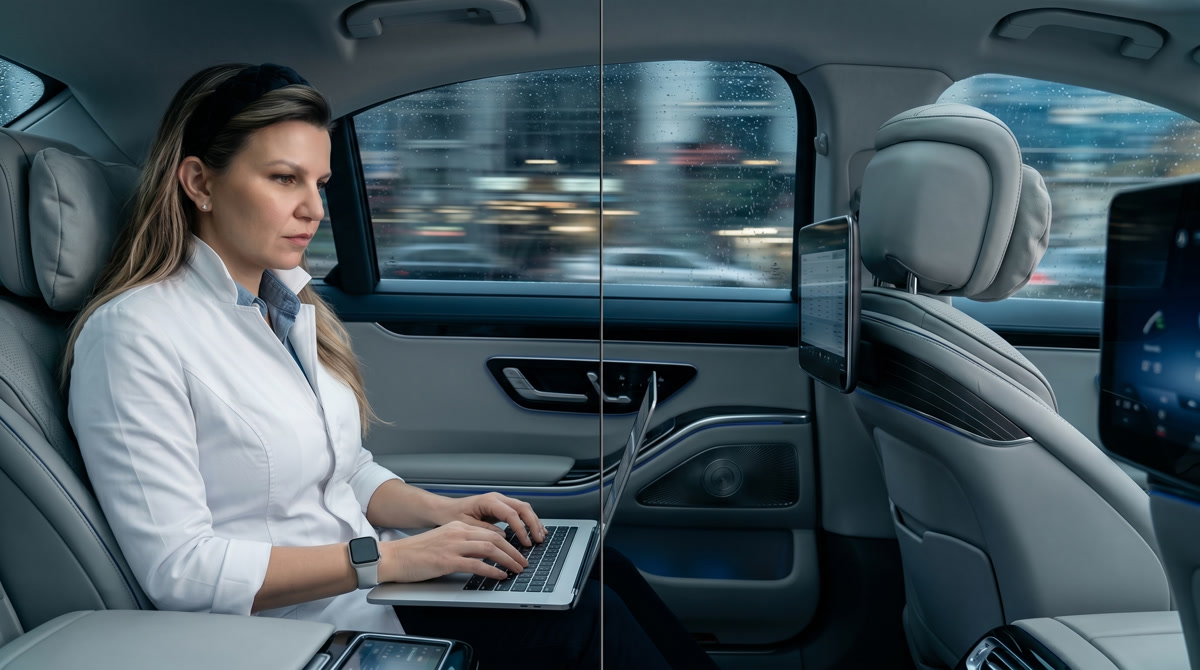
It is entirely natural for patients, particularly older adults who may not consider themselves tech-savvy, to feel intimidated by the prospect of using digital health devices. The assumption is that remote screening for chronic disease requires setting up complex Wi-Fi networks, navigating confusing smartphone applications, and constantly dealing with error messages. This fear of technological complexity frequently acts as a barrier, preventing patients from accessing the benefits of remote care.
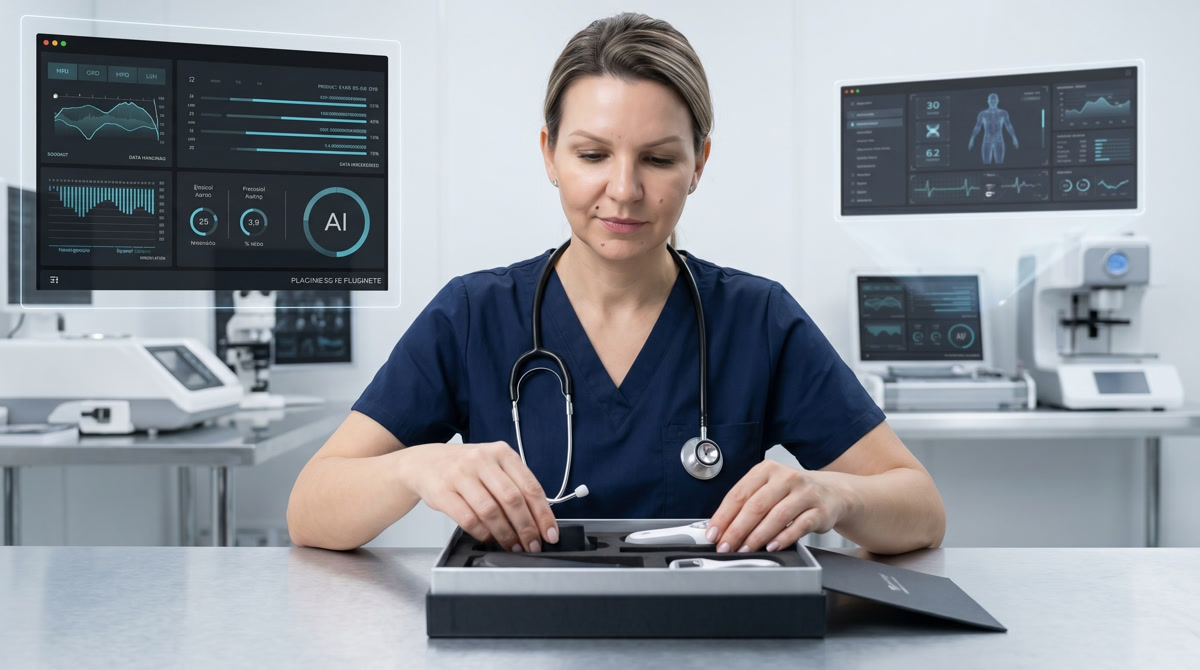
Fortunately, medical device manufacturers and healthcare systems have recognized this barrier and have prioritized user-friendly design. Modern remote monitoring devices are explicitly engineered to require zero technical expertise. Many devices operate on a "plug and play" model. For instance, cellular-enabled blood pressure monitors or digital scales come pre-configured with built-in cellular connections. The patient simply takes their reading, and the device automatically securely transmits the data to the physician's dashboard without requiring a smartphone, an app, or an internet connection.
When bluetooth integration is required, applications are designed with large fonts, simple instructions, and automated syncing. Healthcare providers and their support staff also spend time educating patients on exactly how to use the equipment. The goal of remote screening for chronic disease is to reduce the burden of care, not to add a frustrating technological hurdle to a patient's daily routine.
- Many remote health devices are cellular-enabled, requiring no Wi-Fi or smartphone pairing.
- Equipment is designed with simplicity in mind, often requiring the push of a single button.
- Clinical support teams provide comprehensive onboarding to ensure patients are comfortable with the tools.
Seamless Integration into Daily Life
The most effective remote monitoring tools are those that seamlessly blend into a patient's morning routine. Stepping on a scale or putting on a cuff takes less than a minute. By removing the technical friction, patients are far more likely to adhere to their monitoring schedule, which in turn provides the healthcare provider with the consistent data needed to optimize their treatment plan.
Myth 4: Remote Monitoring Ruins the Doctor-Patient Relationship
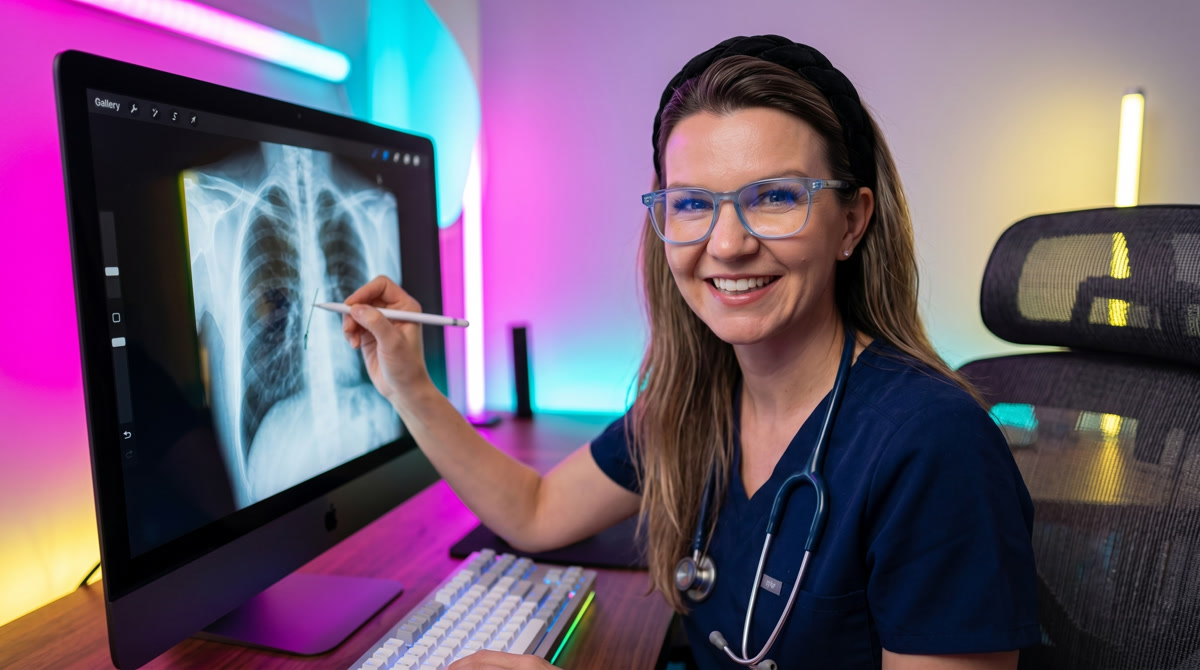
A deeply ingrained concern among patients exploring telehealth is the fear that remote screening for chronic disease will entirely replace face-to-face interactions, reducing them to mere data points on a screen. There is a worry that without sitting in the same physical room, the empathy, trust, and personal connection that defines a strong doctor-patient relationship will be lost.
In truth, virtual care and remote monitoring are designed to enhance and expand the doctor-patient relationship, not diminish it. Dr. Vuslat Muslu Erdem, MD, a board-certified Internal Medicine physician at Kelsey-Seybold Clinic, advocates for leveraging technology to make healthcare more accessible. Rather than seeing a physician only two or three times a year for a brief 15-minute appointment, remote monitoring creates an ongoing, continuous dialogue.
When a healthcare provider has access to daily or weekly health data, virtual consultations become highly focused and deeply personalized. The doctor no longer has to spend half the appointment gathering basic historical data; instead, that time is spent discussing how the patient is feeling, analyzing the collected trends, and making collaborative decisions about care. Virtual care technology acts as a bridge, keeping the patient connected to their medical team consistently, providing peace of mind that a professional is always keeping an eye on their well-being.
- Remote screening creates more frequent, meaningful touchpoints between patients and their care teams.
- Virtual consultations can focus on care strategy and empathy rather than basic data collection.
- Continuous monitoring provides reassurance that a physician is actively engaged in the patient's ongoing health.
A Hybrid Approach to Chronic Care
It is crucial to understand that remote monitoring does not prohibit in-person visits when they are medically necessary. Digital tools are a supplement to traditional care. For patients interested in learning how virtual tools fit into a broader medical strategy, exploring the blog listing page provides excellent insights into how hybrid models of care deliver the best of both worlds.
Myth 5: At-Home Data Isn't Secure and Privacy is Compromised
In an era of frequent data breaches and heightened awareness of digital privacy, patients are understandably cautious about transmitting sensitive medical information over the internet. A common myth is that remote screening for chronic disease involves sending private health metrics via unsecured channels, leaving patients vulnerable to privacy violations or having their medical data exploited.
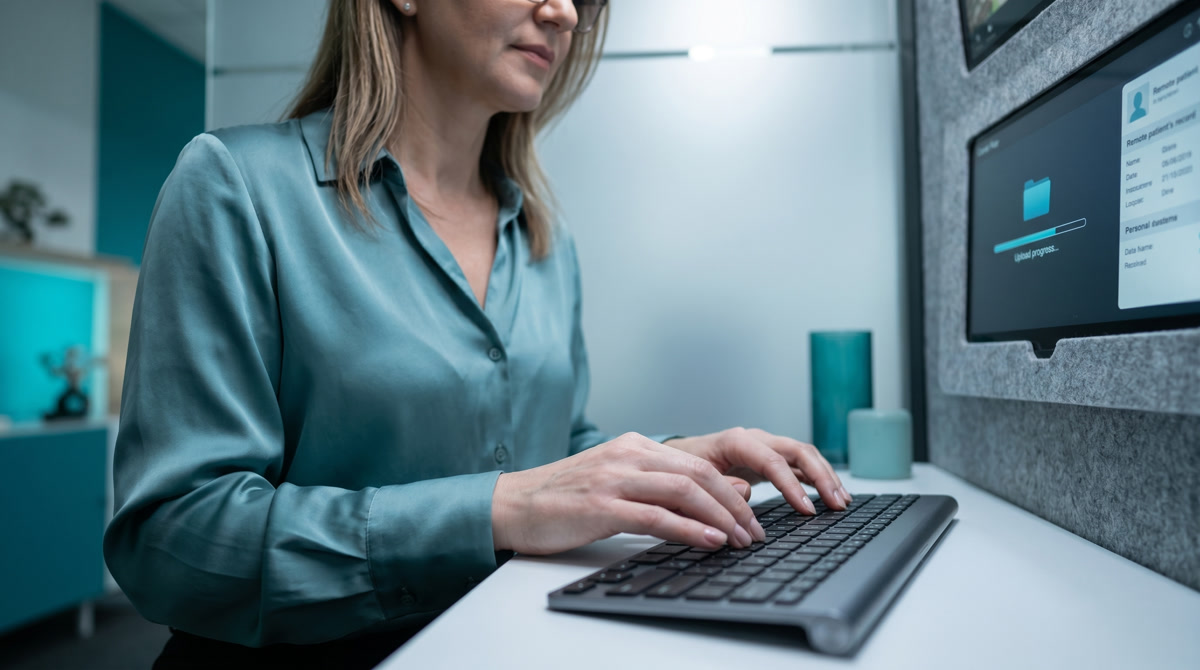
Medical data security is treated with the highest level of priority by reputable healthcare institutions and device manufacturers. All remote patient monitoring tools and telehealth platforms utilized by professional healthcare providers must strictly comply with the Health Insurance Portability and Accountability Act (HIPAA) in the United States. This means that any data collected by a remote device—whether it is a heart rate reading, a glucose level, or an oxygen saturation metric—must be heavily encrypted both in transit and while at rest.
When a cellular-enabled blood pressure cuff sends a reading, it uses secure, closed-loop networks that transmit the data directly into the patient's secure electronic health record (EHR). The information cannot be intercepted or read by unauthorized third parties. By utilizing secure patient portals, individuals can safely view their own data, communicate with their physician, and rest assured that their privacy is legally and technologically protected at every stage of the process.
- Remote monitoring platforms must adhere strictly to HIPAA compliance standards.
- Medical data is heavily encrypted during transmission and storage.
- Secure patient portals ensure that only the patient and authorized medical personnel can access health metrics.
Trusting the Digital Infrastructure
Protecting patient privacy is a cornerstone of modern digital medicine. Before beginning any remote monitoring program, patients are encouraged to speak with their healthcare provider about the specific security protocols in place. To get started with a secure virtual consultation, patients can schedule an appointment and discuss any lingering privacy concerns directly with a board-certified physician.
Conclusion
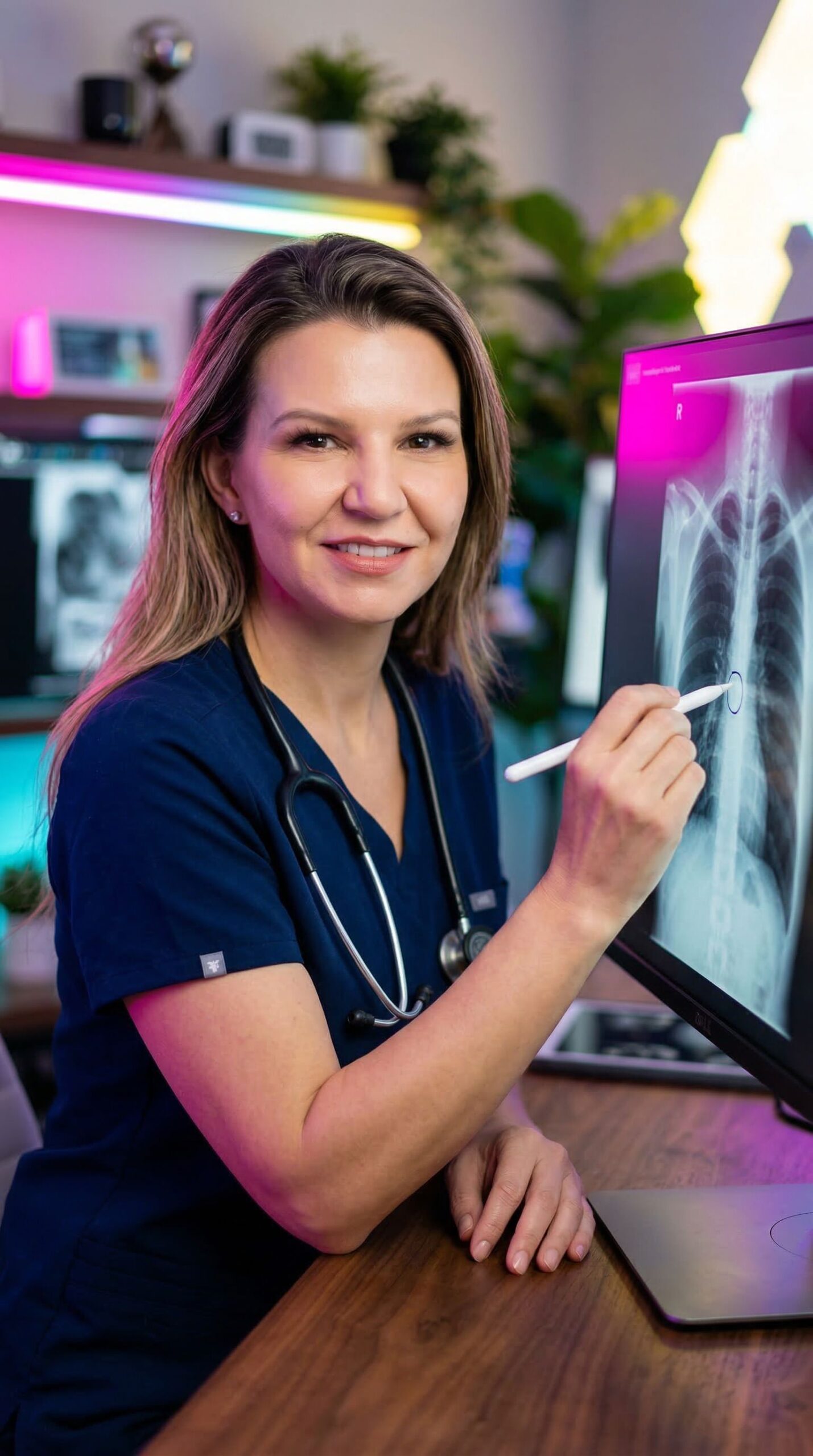
Remote screening for chronic disease represents a massive leap forward in proactive health management. By moving past the myths that at-home devices are inaccurate, overly complicated, or detached from personalized care, patients can unlock a more continuous, insightful, and accessible approach to managing their health.
Managing a chronic condition is a journey, and having reliable tools at home empowers individuals to take an active, confident role in their long-term wellness.
If you are interested in how digital tools can help manage a chronic condition, speak with your healthcare provider or schedule an appointment with a board-certified physician today to explore your options.
*Medical Disclaimer: Virtual care technology supplements but does not replace in-person medical evaluation when needed. This content is for informational purposes only. Individual results vary, and this is not a substitute for professional medical advice.*
Frequently Asked Questions
Is remote screening for chronic disease as accurate as an in-office visit?
Yes, when using FDA-cleared devices prescribed by a healthcare provider, remote screening is highly accurate. In fact, multiple readings taken at home often provide a more accurate baseline than a single reading in a clinic, as it eliminates stress-induced 'white coat syndrome.'
What kind of chronic diseases can be monitored from home?
A wide variety of conditions can be effectively monitored remotely, including hypertension (high blood pressure), type 1 and type 2 diabetes, congestive heart failure, asthma, and chronic obstructive pulmonary disease (COPD).
Do I need to be good with technology to use remote monitoring devices?
Not at all. Many modern remote health devices are designed for immediate use. Devices like cellular blood pressure cuffs automatically transmit data to your physician without requiring a smartphone, app, or Wi-Fi setup.
How is my medical data kept secure when transmitted remotely?
Healthcare providers utilize HIPAA-compliant platforms that heavily encrypt your health data during transmission and storage, ensuring your private medical information remains completely secure and confidential.
Virtual care technology supplements but does not replace in-person medical evaluation when needed. This content is for informational purposes only.