7 Myths About Blood Pressure Apps for Lifestyle Management
High blood pressure affects nearly half of all adults in the United States, driving a massive surge in the popularity of digital health tools designed to monitor and manage cardiovascular health.
As smartphones become central to daily life, many patients turn to blood pressure apps hoping for a quick, digital fix to their hypertension. However, the app market is flooded with varying degrees of quality, leading to widespread misconceptions about what these digital health tools can actually accomplish. Some patients mistakenly believe an app alone can cure hypertension, while others dismiss them entirely, assuming that medication is the only viable path to heart health. This confusion can prevent individuals from effectively utilizing technology to support vital lifestyle changes, ultimately hindering their journey toward optimal cardiovascular wellness.
Understanding the true capabilities and limitations of digital health tools is crucial for anyone exploring non-pharmaceutical interventions. By debunking common misconceptions, patients can learn how to properly leverage technology to complement their medical care. This article explores seven pervasive myths about blood pressure apps, revealing how these tools actually function as powerful facilitators for lifestyle modification and remote patient monitoring when used under the guidance of a healthcare professional.
Myth 1: Blood Pressure Apps Can Measure Your Readings Accurately Without Extra Equipment
One of the most dangerous misconceptions in digital health is the belief that a smartphone alone can accurately measure blood pressure. Many applications available in app stores claim to use the phone's camera, flash, or screen sensors to detect pulse waves and calculate blood pressure. However, independent research and cardiovascular guidelines consistently show that these smartphone-only measurement techniques are often highly inaccurate and unreliable for clinical use.
To effectively monitor hypertension, patients must use a validated, FDA-cleared electronic blood pressure cuff. Blood pressure apps are designed to work in tandem with these physical devices. Some modern cuffs connect seamlessly to smartphones via Bluetooth, automatically transmitting the systolic and diastolic readings directly into the app. Others require the user to manually enter the numbers displayed on their traditional cuff. The app's primary role is not to take the measurement, but rather to store, track, and analyze the data collected by a medically approved physical monitor.
Relying solely on an unvalidated optical sensor app can lead to false reassurances or unnecessary panic, potentially delaying crucial medical intervention. Dr. Vuslat Muslu Erdem, MD, a board-certified Internal Medicine physician at Kelsey-Seybold Clinic, Fort Bend Campus, emphasizes that technology should enhance, not compromise, the accuracy of health data. Patients exploring virtual care services must ensure they have the proper physical equipment at home to supply their digital tools with accurate, trustworthy information.
- Smartphones lack the physical components required to measure blood pressure accurately on their own.
- FDA-cleared, validated electronic cuffs are essential for reliable at-home monitoring.
- Apps serve as sophisticated logbooks and analysis tools, not diagnostic instruments.
The Importance of Validated Devices
When selecting a home blood pressure monitor to pair with a tracking app, patients should consult independent validation registries. Medical organizations provide lists of devices that have passed rigorous accuracy testing. Using a validated device ensures that the data being fed into the blood pressure app is reliable enough for a physician to use when making clinical decisions about lifestyle modifications or medication adjustments.
Myth 2: Simply Logging Data Into an App Lowers Blood Pressure
A common trap many patients fall into is the 'passive tracking' fallacy—the belief that the mere act of recording numbers into an app will magically improve their health. While consistent monitoring is a critical first step, blood pressure apps are not a cure in themselves. Logging a reading of 150/90 mmHg day after day without changing behaviors will simply yield a digital record of uncontrolled hypertension.
The true power of blood pressure apps lies in their ability to facilitate actionable lifestyle changes. High-quality apps help users draw connections between their daily habits and their blood pressure trends. For instance, an app might prompt a user to log their sodium intake, stress levels, physical activity, or sleep quality alongside their daily readings. Over time, the app's analytical tools can highlight patterns—such as a spike in blood pressure following a high-sodium restaurant meal or a drop in blood pressure after a week of consistent morning walks.
By transforming raw data into meaningful insights, these digital tools empower patients to make informed, non-pharmaceutical interventions. This proactive approach encourages accountability and sustained behavioral change. Individuals can read more about integrating healthy habits through the educational resources available on the health blog. Ultimately, the app acts as a mirror reflecting the impact of a patient's lifestyle choices, but the patient must be the one to act on those reflections.
- Passive data logging does not independently treat hypertension.
- Apps are most effective when used to track lifestyle factors alongside blood pressure readings.
- Identifying behavioral triggers for blood pressure spikes is key to non-pharmaceutical management.
Turning Data into Action
To get the most out of digital tracking, patients should set specific, measurable lifestyle goals based on their app's insights. If the data shows higher readings on high-stress workdays, incorporating a 10-minute meditation session before taking a reading might yield noticeable improvements. The data provides the roadmap, but behavioral changes drive the journey toward better cardiovascular health.

Myth 3: Using a Blood Pressure App Replaces the Need for a Doctor
The rise of sophisticated digital health tools has led some individuals to believe they can manage chronic conditions entirely on their own. While blood pressure apps are excellent for day-to-day lifestyle management, they are absolutely not a substitute for professional medical evaluation and guidance. Hypertension is a complex, systemic condition that can silently damage the heart, kidneys, and blood vessels over time, often requiring nuanced clinical judgment to manage safely.
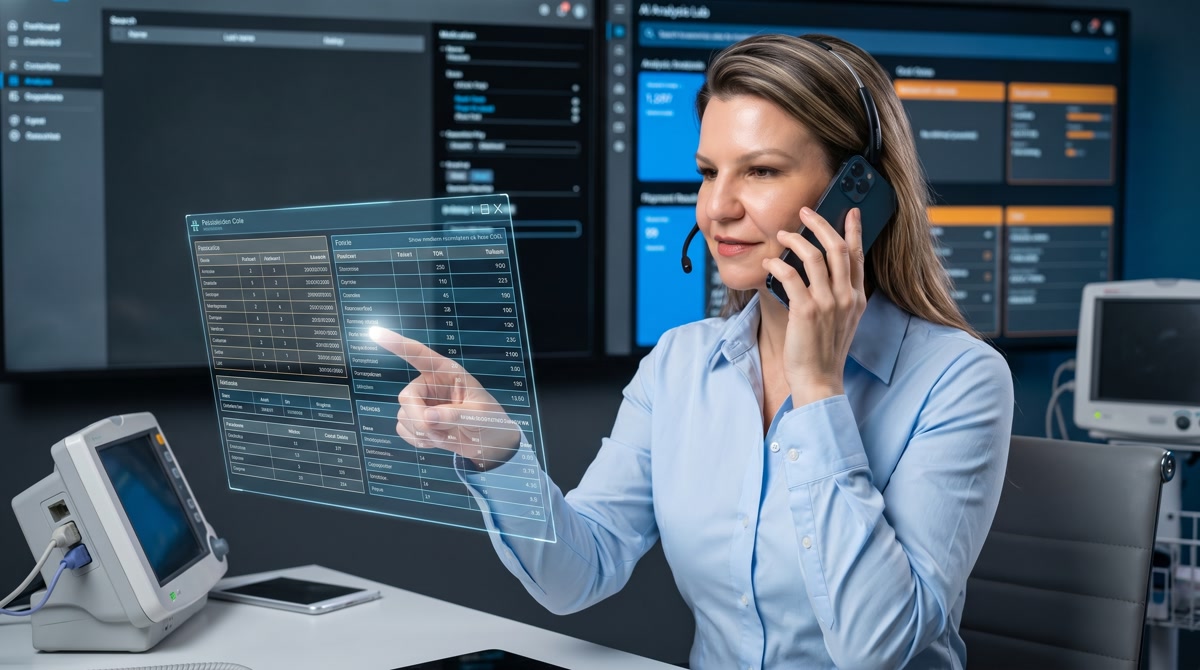
Blood pressure apps are designed to bridge the gap between office visits, not eliminate them. Through remote patient monitoring (RPM), these apps allow patients to easily share a comprehensive log of their home readings with their healthcare provider. This rich dataset gives physicians a much more accurate picture of a patient's true blood pressure, eliminating the 'white coat syndrome' that often skews readings taken in a clinical setting.
A board-certified physician must review this data to rule out secondary causes of hypertension, assess overall cardiovascular risk, and determine if lifestyle interventions alone are sufficient or if pharmaceutical support is required. Patients interested in learning about the background of qualified medical professionals can read about Dr. V and her approach to technology-assisted care. Regular consultations remain essential to interpret the app's data correctly and adjust care plans as needed.
- Digital health tools supplement, but never replace, professional medical advice.
- Apps help eliminate 'white coat syndrome' by providing a continuous record of home readings.
- Physicians rely on app-generated data to make informed clinical decisions.
The Role of Remote Patient Monitoring
Remote patient monitoring transforms blood pressure management from an occasional clinical event into a continuous, collaborative process. By sharing app data directly with a care team, patients receive more personalized, timely interventions. If a patient's readings trend dangerously high, the physician can reach out and adjust the treatment plan promptly, preventing potential emergencies.
Myth 4: Blood Pressure Apps Are Only for Tech-Savvy Younger Generations
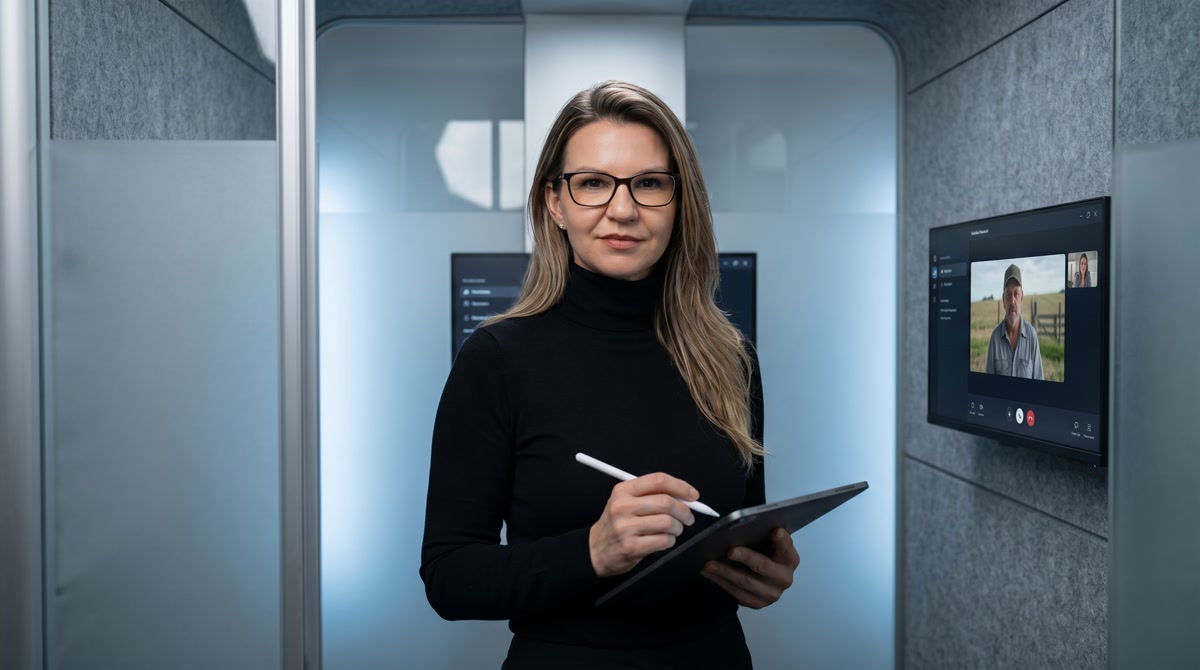
A persistent stereotype in digital health is that medical apps are too complicated for older adults to use effectively. Because the risk of hypertension increases with age, this myth can discourage the demographic that stands to benefit most from utilizing these digital tools. In reality, the landscape of digital medicine has evolved significantly, prioritizing user-friendly design and accessibility for all age groups.
Modern blood pressure apps are often designed with large, readable fonts, intuitive interfaces, and simplified navigation. Many systems offer voice-guided instructions and one-touch data transmission, removing complex technical barriers. Bluetooth-enabled blood pressure cuffs automate the logging process entirely; once paired, the user simply puts on the cuff and presses a single button, and the reading is instantly transferred to their smartphone or tablet without any manual data entry required.
Research suggests that older adults are highly capable of adopting digital health technologies when provided with appropriate guidance and clear instructions. Healthcare teams increasingly incorporate digital literacy into their patient education, ensuring individuals feel confident using these tools. For those who need assistance setting up their monitoring routines, choosing to schedule an appointment with a healthcare provider can provide the necessary hands-on guidance to start tracking effectively.
- Modern health apps prioritize accessibility with large text and intuitive navigation.
- Bluetooth connectivity eliminates the need for manual data entry, simplifying the process.
- Older adults successfully adopt remote monitoring tools when given proper education and support.
Overcoming Digital Barriers in Healthcare
Family members and caregivers can play a vital role in overcoming initial technological hurdles by assisting with the initial app setup and Bluetooth pairing. Once the system is configured, daily use typically requires minimal technical skill, allowing older patients to easily monitor their cardiovascular health from the comfort of their homes.

Myth 5: Medication Is the Only Solution, Making Apps Useless
A significant segment of the population holds the fatalistic view that once hypertension is diagnosed, lifelong medication is the only possible intervention. Consequently, they view blood pressure apps as superfluous gadgets rather than therapeutic tools. While prescription medications are indeed necessary and life-saving for many individuals, clinical guidelines universally emphasize lifestyle modifications as the foundation of hypertension management, regardless of whether medication is prescribed.
Blood pressure apps excel at tracking the specific lifestyle metrics that influence cardiovascular health: sodium intake, weight management, physical activity, and stress reduction. For patients with mild hypertension, rigorous adherence to these non-pharmaceutical interventions—facilitated and tracked by an app—may sometimes prevent or delay the need for medication. For those already on antihypertensive drugs, using an app to manage lifestyle factors can work synergistically with the medication, potentially allowing a physician to lower the required dosage over time.
Digital tools provide the daily reinforcement and visual feedback necessary to sustain difficult behavioral changes. When a patient sees a tangible drop in their average weekly blood pressure after committing to a low-sodium diet, that positive reinforcement is incredibly motivating. Apps shift the narrative from a passive reliance on pills to an active, holistic approach to cardiovascular wellness.
- Lifestyle modifications are a cornerstone of hypertension management according to clinical guidelines.
- Apps help track non-pharmaceutical interventions like diet, exercise, and weight.
- Digital tracking provides visual positive reinforcement that sustains behavioral changes.
Synergy Between Lifestyle and Medicine
Medication and lifestyle changes are not mutually exclusive; they are complementary strategies. A blood pressure app helps a patient maximize the benefits of their lifestyle efforts, creating a healthier baseline that makes any prescribed medical treatments more effective and efficient.
Myth 6: All Blood Pressure Tracking Apps Offer the Same Features
When searching for a blood pressure app, a patient might assume that any free option in the app store will suffice, believing they all perform the same basic function. However, the functionality, security, and clinical utility of these apps vary wildly. Treating all health apps as equal can lead to frustration and missed opportunities for better health management.
Basic apps act as nothing more than digital notepads, requiring manual entry and offering little analysis. In contrast, premium or clinically integrated apps offer robust features designed for comprehensive lifestyle management. These advanced apps often include integration with other health devices (like smart scales and fitness trackers), medication reminder alerts, personalized educational content, and the ability to export professional-grade reports directly to an electronic health record (EHR) system.
Furthermore, the algorithms used to calculate averages and identify trends differ from app to app. High-quality apps follow guidelines from organizations like the American Heart Association to categorize readings correctly (e.g., Elevated, Stage 1, Stage 2). Patients must carefully evaluate the features of an app to ensure it aligns with their specific health goals and their physician's remote monitoring capabilities.
- Health apps range from basic digital logbooks to comprehensive clinical platforms.
- Advanced features include medication reminders, fitness tracker integration, and EHR exporting.
- High-quality apps use established medical guidelines to categorize and analyze blood pressure data accurately.
Choosing the Right App
Patients should look for apps that offer secure data export features, allowing seamless sharing with their healthcare provider. Reading user reviews and checking if the app is recommended by recognized cardiovascular organizations can also help differentiate high-quality tools from subpar options.
Myth 7: Health Data Stored in Apps is Always Secure and Private
In an era of frequent digital data breaches, a critical myth is the assumption that health information entered into a consumer smartphone app is automatically protected by strict medical privacy laws like HIPAA. While data transmitted through official patient portals and clinical RPM systems provided by a doctor's office is highly secure, independent consumer apps downloaded from an app store often operate under different, less stringent regulations.
Many free blood pressure apps monetize their platforms by aggregating and selling user data to third-party marketers or research firms. Users frequently click 'agree' to lengthy terms of service without realizing they are granting permission for their health metrics to be shared. It is vital for patients to be proactive consumers of digital health tools by scrutinizing the privacy policies of any app they choose to use.
When managing sensitive health information, individuals should look for apps that explicitly state they do not sell user data and offer end-to-end encryption. Alternatively, utilizing a dedicated remote monitoring platform recommended by a healthcare provider often ensures a higher standard of data security. Protecting personal health information is just as important as protecting the physical heart.
- Not all consumer health apps are bound by HIPAA privacy regulations.
- Some free apps may aggregate and sell user health data to third parties.
- Patients must read privacy policies and prioritize apps with strong encryption and clear data protections.
Protecting Your Digital Health Footprint
Before downloading an app, review the developer's privacy policy specifically regarding medical data. Opt for paid versions if they offer enhanced privacy protections over ad-supported free versions, and always use strong, unique passwords for health-related accounts.

Conclusion
Blood pressure apps are powerful facilitators of lifestyle change, but they are not magical cures or substitutes for medical equipment and professional guidance. By dispelling these seven myths, patients can embrace digital health tools with realistic expectations, using them to track vital metrics, identify behavioral triggers, and collaborate more effectively with their healthcare teams.
Navigating the intersection of technology and cardiovascular health can be empowering when done correctly. With the right tools and accurate information, managing hypertension becomes a proactive, data-driven journey toward long-term wellness.
If you are interested in integrating digital health tools into your hypertension management plan, consult your healthcare provider to discuss the best validated devices and remote monitoring options for your specific needs.
Medical Disclaimer: Virtual care technology supplements but does not replace in-person medical evaluation when needed. This content is for informational purposes only. Individual results vary, and this is not a substitute for professional medical advice.
Frequently Asked Questions
Can I use my smartphone camera to check my blood pressure?
No. Current medical guidelines state that smartphone cameras and optical sensors cannot accurately measure blood pressure. A validated, FDA-cleared electronic blood pressure cuff is required for accurate home monitoring.
How do blood pressure apps help with lifestyle changes?
Apps allow users to track diet, exercise, stress, and medication alongside their blood pressure readings. This helps identify patterns and behavioral triggers, providing the visual feedback needed to maintain healthy habits.
Do I still need to see a doctor if my app says my blood pressure is normal?
Yes. Blood pressure apps do not replace professional medical evaluation. A board-certified physician must review your data to assess your overall cardiovascular health and ensure your management plan is appropriate.
Are blood pressure tracking apps secure?
Security varies widely among consumer apps. It is important to read the privacy policy to ensure the app uses encryption and does not sell your health data to third parties. Apps provided directly by a healthcare provider's remote monitoring program typically offer the highest security.
Virtual care technology supplements but does not replace in-person medical evaluation when needed. This content is for informational purposes only.