Virtual Care for Chronic Conditions: Diabetes, Hypertension, and More
Living with a long-term health condition often feels like a full-time job. Between pharmacy runs, dietary restrictions, and keeping track of symptoms, the sheer logistics of managing your health can become overwhelming. For decades, the standard solution was frequent, time-consuming trips to a doctor’s office. However, the landscape of medicine has shifted. Virtual care for chronic conditions has emerged as a powerful tool, transforming how patients and physicians collaborate to achieve better health outcomes.
At Kelsey-Seybold Clinic in Sugar Land, we see firsthand how telemedicine bridges the gap between daily life and medical expertise. It allows for a level of consistency and convenience that traditional models simply cannot match. Whether you are navigating a new diagnosis of diabetes or working to stabilize high blood pressure, virtual care offers a pathway to keep your health on track without disrupting your entire schedule.
What Is Virtual Care for Chronic Conditions?
Many patients assume virtual care is simply a video call that replaces a physical exam. While video conferencing is a key component, true virtual chronic disease management is a broader ecosystem. It involves digital communication technologies such as secure messaging platforms, mobile applications, and remote monitoring devices to provide continuous care.
The Community Preventive Services Task Force recommends telehealth interventions for reducing chronic disease risk factors and managing conditions including cardiovascular disease, high blood pressure, diabetes, and obesity. These interventions can improve medication adherence, which is critical for preventing complications associated with long-term illnesses.
This approach shifts the dynamic from reactive to proactive. Instead of treating a crisis after it occurs, we use data and regular touchpoints to prevent the crisis altogether.
The Benefits of Telemedicine for Long-Term Health
Why are so many patients and providers embracing this model? The advantages go beyond avoiding traffic.
Improved Medication Adherence
One of the biggest hurdles in treating chronic illness is sticking to a medication regimen. It is easy to forget a dose or stop taking a pill because of side effects. Research from the Community Preventive Services Task Force found that telehealth interventions significantly improve medication adherence. Regular virtual check-ins provide a safe space to discuss side effects and adjust dosages without the friction of booking an in-person appointment.
Real-Time Monitoring and Feedback
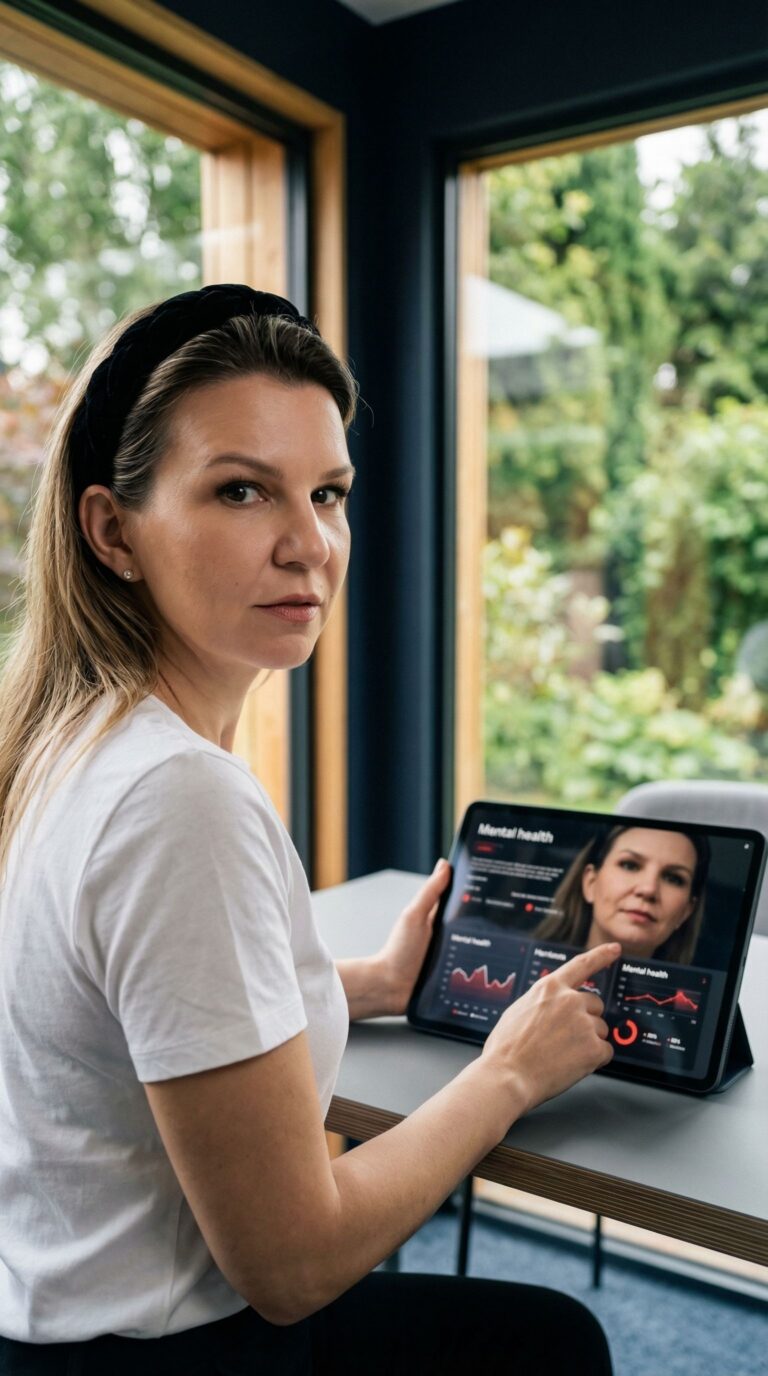
Managing conditions like heart failure or diabetes requires constant vigilance. Wearable devices and remote monitoring tools allow us to track vital signs, including blood sugar levels, blood pressure, and heart rate, in real time. This data stream helps detect abnormalities early, preventing complications that might otherwise lead to a hospital stay. Instead of relying on memory or handwritten logs, patients can share digital records directly with their physician. If blood pressure readings trend upward over a week, medication adjustments can be discussed during a virtual check-in rather than waiting for a monthly appointment.
Convenience and Cost-Effectiveness
For patients in Sugar Land and the greater Houston area, travel time can be a significant barrier to care. Telemedicine eliminates the need for travel, reducing time off work and transportation expenses. By addressing issues early through virtual consultations, patients avoid the high costs associated with acute care episodes. This economic efficiency benefits both the healthcare system and the patient’s household budget.
Increased Patient Engagement
Using apps and devices to track your own health data fosters a deeper sense of ownership over your condition. Seeing your numbers in real time and discussing them directly with your physician helps you understand how your daily choices, such as meals, stress, and sleep, impact your health. This leads to better adherence to your treatment plan.
Managing Diabetes Through Virtual Care
Diabetes is a condition that requires around-the-clock management. It is not just about taking insulin or metformin; it involves a complex interplay of diet, exercise, stress, and sleep. Virtual care for chronic conditions like diabetes is particularly effective because it facilitates the frequent adjustments needed to stabilize glucose levels.
The Virtual Approach to Glucose Control
Through virtual visits, we can review your continuous glucose monitor data or glucometer logs together on the screen. We look for patterns, such as spikes after breakfast or lows during the night, and make immediate changes to your treatment plan. We can discuss dietary logs, assess foot health through video inspection, and adjust insulin or oral medication doses based on real data rather than a single office reading.
Virtual care is also an excellent medium for lifestyle coaching. We can discuss your grocery list, review food labels, or talk through strategies for dining out, all from the comfort of your kitchen. This in-context care often leads to more practical and sustainable lifestyle changes than a lecture in a sterile exam room.
It is important to note that while virtual visits are highly effective for day-to-day management, patients receiving telediabetes care should still have at least annual in-person visits for a complete foot examination and sensory screening. This hybrid model ensures comprehensive care.
Controlling Hypertension from Home
High blood pressure is often called the silent killer because it rarely shows symptoms until damage is done. Traditionally, doctors relied on blood pressure readings taken in the office. However, many patients experience white coat hypertension, where anxiety about the doctor visit causes a temporary spike, leading to inaccurate readings and potentially unnecessary medication. Others have masked hypertension, where readings are normal in the office but elevated at home.
Home Monitoring for True Accuracy
Telemedicine encourages the use of home blood pressure monitoring. When you take your blood pressure in your favorite chair, relaxed and in your normal environment, the numbers are often more reflective of your true health.
During a virtual visit, you can demonstrate your technique to ensure accuracy, checking that your feet are flat on the floor, your back is supported, and the cuff is at heart level. We can then review a week or more of data to make precise decisions about your care. Remote monitoring tools enable us to track vital signs and intervene when readings exceed safe thresholds, discuss lifestyle modifications such as sodium reduction and exercise plans, and adjust medications with confidence.
Addressing Heart Disease and Obesity
Beyond diabetes and hypertension, virtual care is proving vital for other major health concerns.
Cardiovascular Disease
For patients with established heart disease, recovery and maintenance are marathon efforts. Telehealth interventions are effective for managing cardiovascular disease, including monitoring for signs of fluid retention in heart failure patients and discussing tolerance to new cardiac medications. Regular virtual touchpoints keep the conversation going between in-person evaluations.
Obesity Management
Weight management is a deeply personal and often difficult journey. Virtual visits provide a private, supportive environment to discuss progress, setbacks, and strategies. The frequency of contact is key; checking in monthly or bi-weekly via video is often more effective for accountability and motivation than infrequent in-person visits.
When to Choose Virtual vs. In-Person Visits
While I am a strong advocate for virtual care, it does not replace the need for physical examinations entirely.
Choose a virtual visit for reviewing home monitoring logs, discussing medication side effects or refills, mental health check-ins related to chronic illness, dietary counseling and lifestyle coaching, and follow-up on stable conditions.
Choose an in-person visit for new, undiagnosed symptoms that require a physical exam, vaccinations or injections, blood draws (though we can order labs virtually, you will need to visit the lab), annual comprehensive physicals, and diabetic foot and eye screenings.
The goal is to use each type of visit for its strengths: virtual for convenience, monitoring, and routine follow-ups; in-person for comprehensive exams, new problems, and procedures.
Preparing for Your Virtual Appointment
To get the most out of virtual care for chronic conditions, a little preparation goes a long way. Treat the video call with the same importance as an office visit.
Gather your data. Have your blood pressure logs, glucose readings, or weight charts ready. If you use an app, ensure the data is synced beforehand.
Update your medication list. Have all your current pill bottles near you. It is helpful to show the bottle on camera if there is any confusion about dosage.
Check your vitals. If you have the equipment, take your blood pressure, temperature, and pulse right before the call starts.
Find a quiet spot. Ensure you are in a well-lit room where you can speak freely about your medical history without privacy concerns.
Write down your questions. It is easy to forget what you wanted to ask once the camera turns on. A written list ensures we address all your concerns.
Moving Forward with Confidence
The era of waiting months to address a chronic health concern is over. Virtual care for chronic conditions puts the power of health management back in your hands, supported by the expertise of your medical team. By combining the convenience of technology with clinical excellence, we can work together to keep you healthy, active, and out of the hospital.
If you are ready to take a proactive approach to your diabetes, hypertension, or general wellness, I invite you to schedule a virtual visit. Embracing this model is about convenience without compromise, helping you live your healthiest life with minimal disruption to your daily routine.
—
Medical Disclaimer: This article is for informational purposes only and does not constitute medical advice. Always consult with a qualified healthcare provider for personalized medical guidance. To schedule an appointment with Dr. Vuslat Muslu Erdem, call (713) 442-9100.