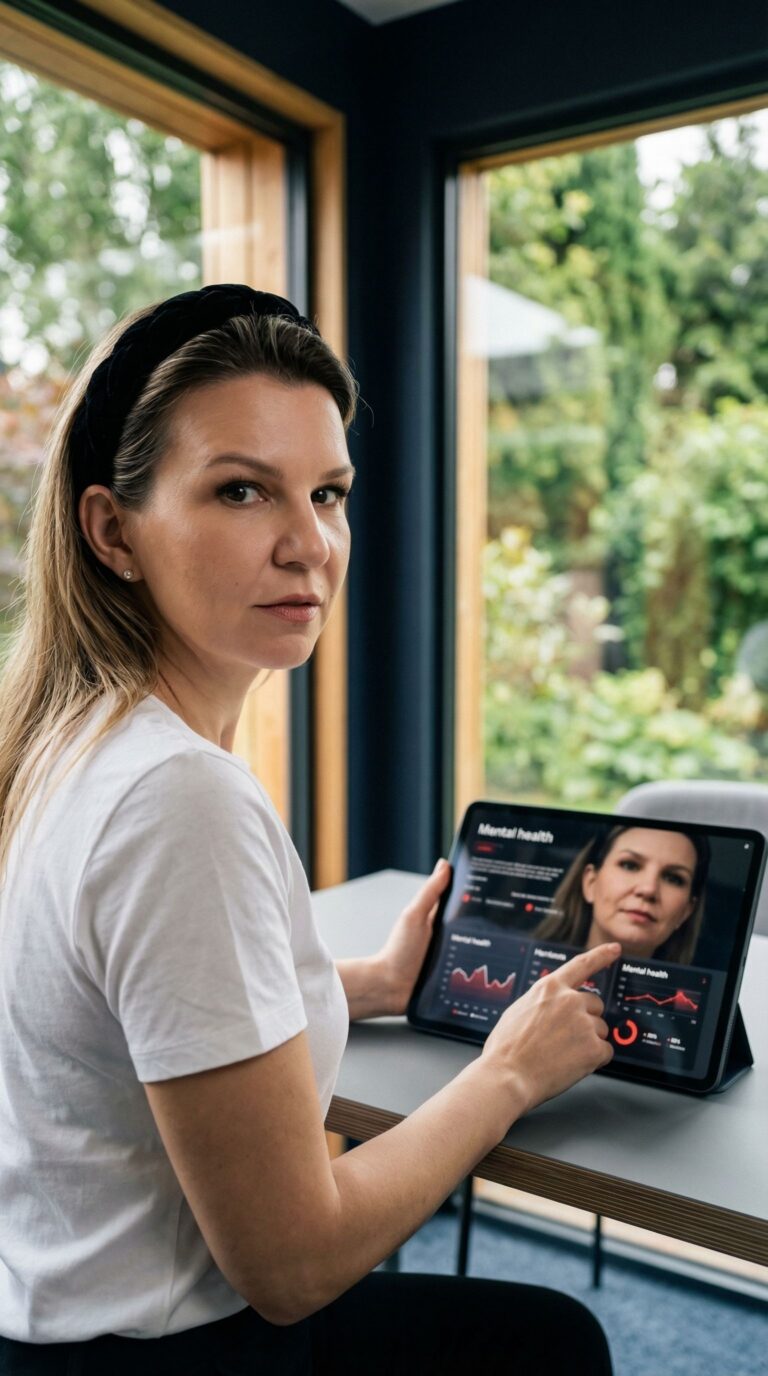
Remote Patient Monitoring: Managing Your Health from Home
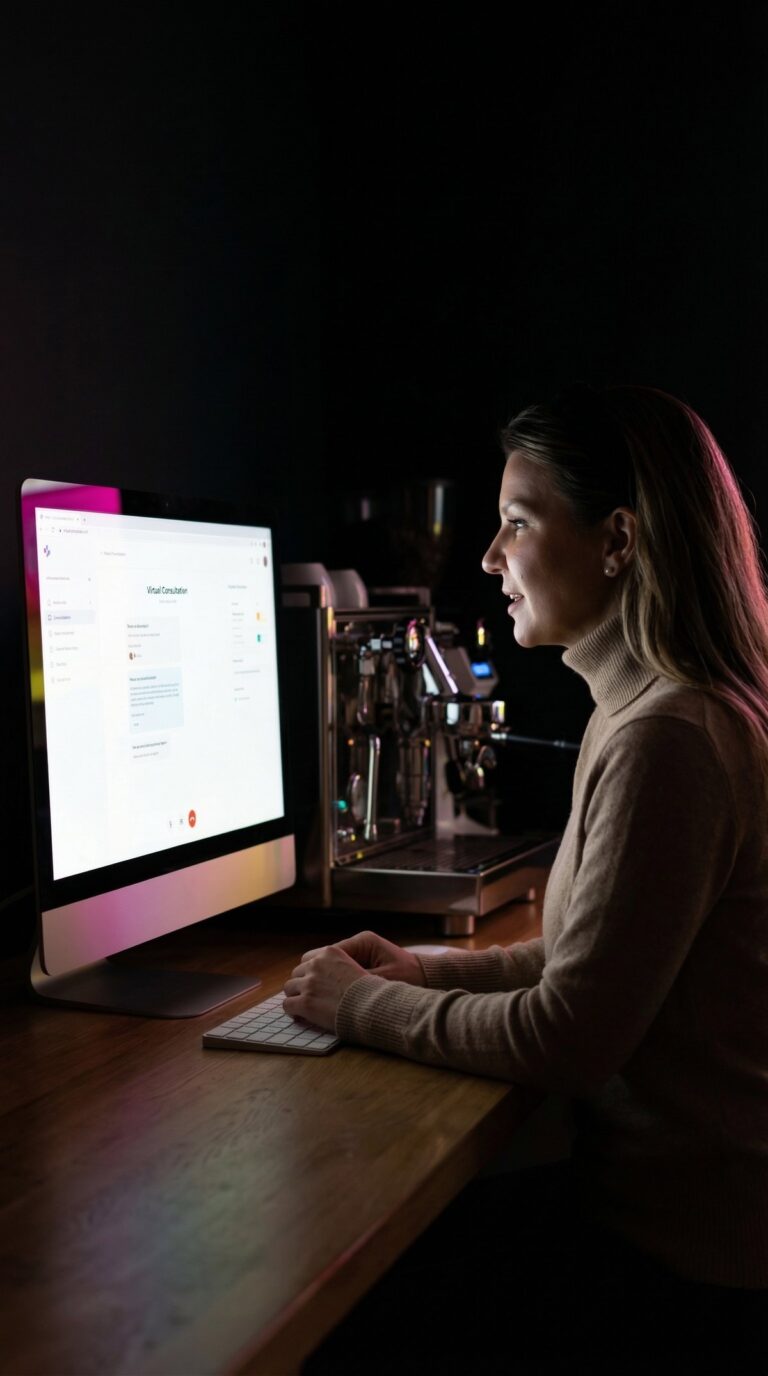
Imagine a healthcare experience where your doctor knows exactly how your blood pressure has been trending over the last two weeks before you even log in for a video visit. For decades, medicine relied on snapshots of your health taken during infrequent office visits. If your blood pressure was high because you were stuck in traffic on Highway 59, that was the only data point we had to work with.
Fortunately, technology has evolved. We have moved from sporadic snapshots to a continuous stream of health insights through Remote Patient Monitoring (RPM).
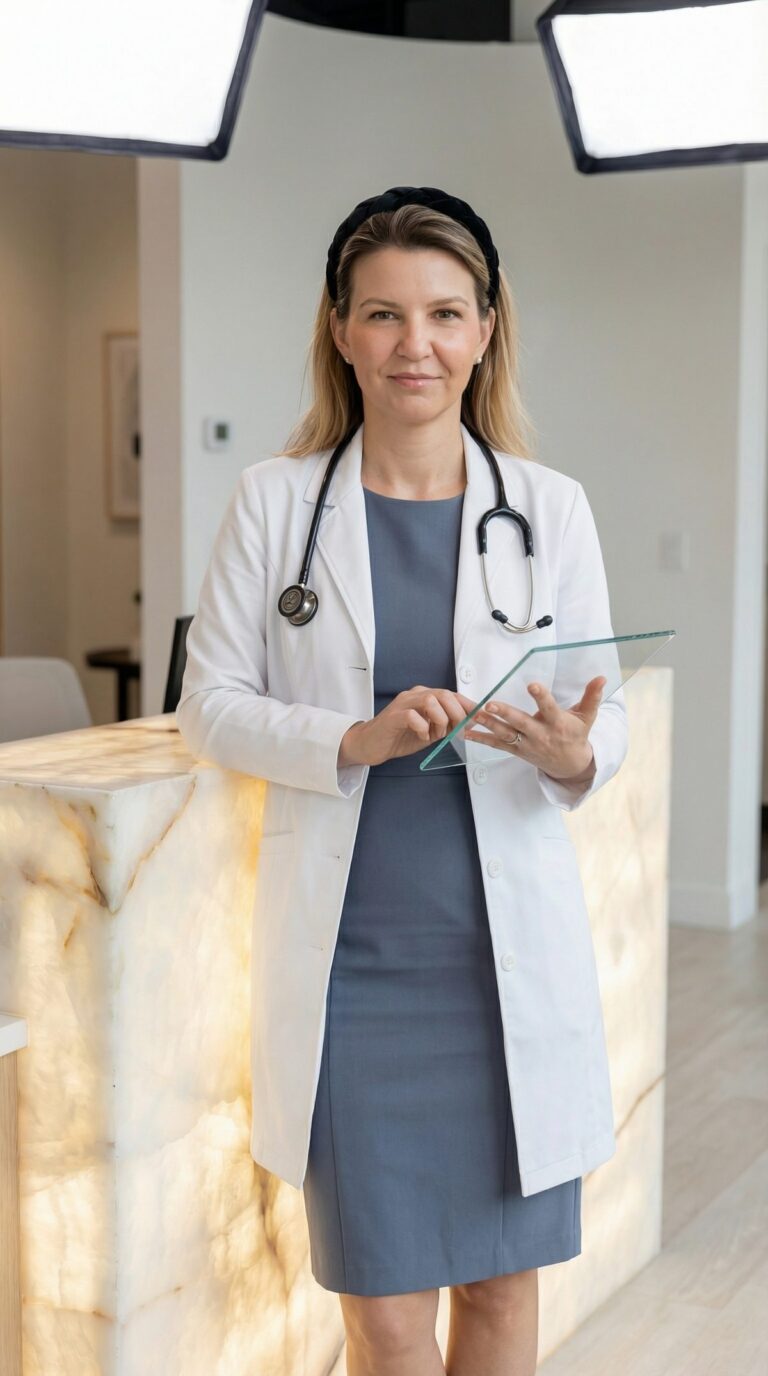
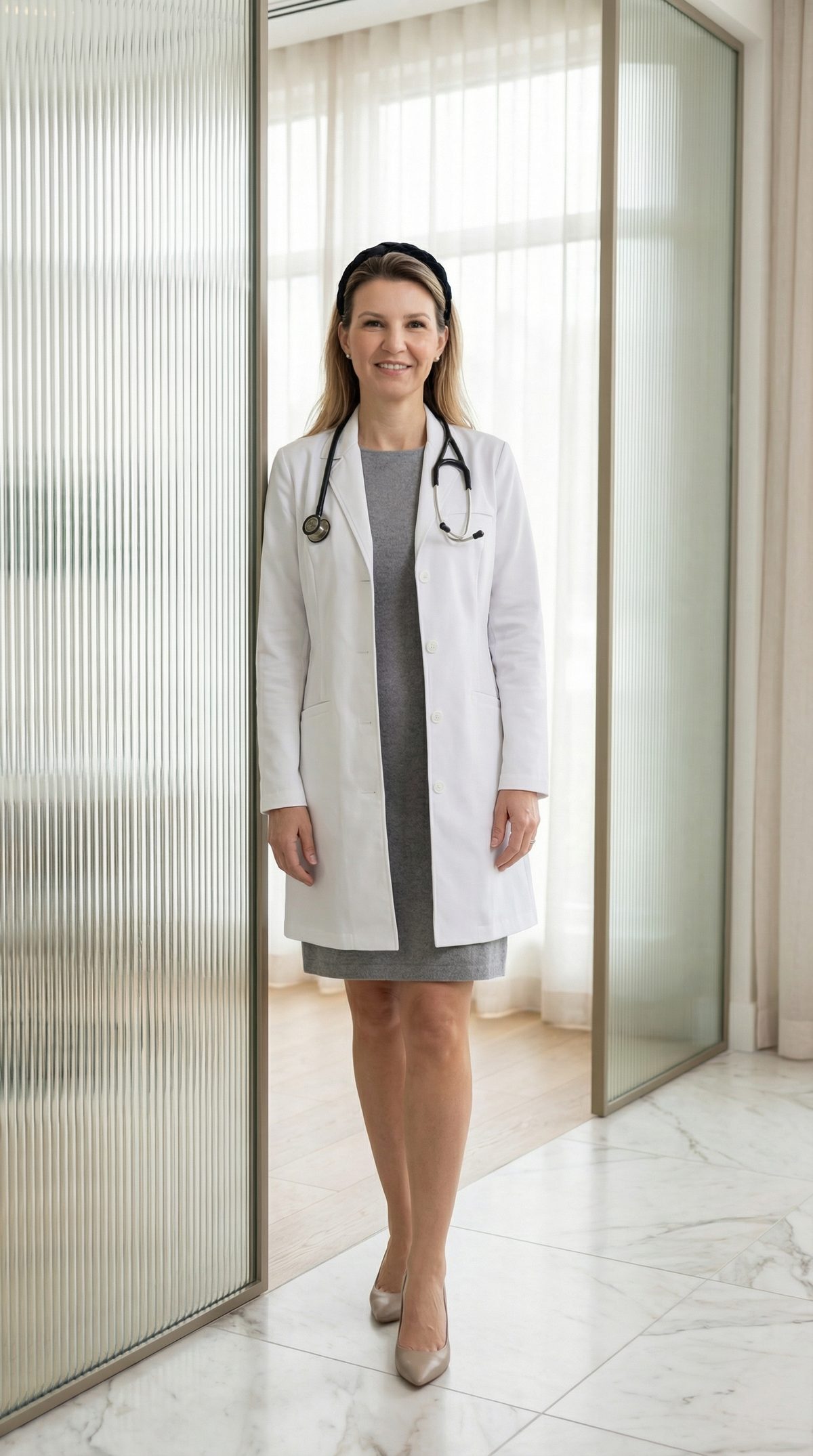
As an Internal Medicine physician at Kelsey-Seybold Clinic in Sugar Land, I have seen firsthand how this technology bridges the gap between appointments. It allows us to manage chronic and acute conditions with a level of precision that was previously impossible. By using connected devices in the comfort of your own home, you become an active partner in your healthcare journey, ensuring that we are treating the real you, not just the version of you sitting in a clinic chair.
What Is Remote Patient Monitoring?
Remote Patient Monitoring allows you to collect your own health data, such as blood pressure, blood sugar, weight, and oxygen levels, using a connected medical device that automatically transmits the information to your healthcare provider. Your provider then uses this data to make informed treatment decisions, adjust medications, and provide timely feedback, all without requiring a physical office visit for every check-in.
The system is built on three essential pillars. First, device setup and education ensure that you understand how to use the device and transmit health data appropriately. Second, the device itself is an FDA-defined medical device, such as a Bluetooth blood pressure cuff or glucose meter, that collects and transmits readings regularly. Third, treatment and management ensure that your provider reviews the trended data, discusses findings with you via phone, video, or secure messaging, and modifies your care plan as needed.
This creates a closed-loop system where data drives decisions, leading to more personalized and timely interventions. Instead of waiting for a scheduled appointment weeks away to discuss a spike in blood pressure, your care team can see the trend immediately and respond.
How the Technology Works
The process is designed to be user-friendly, even for patients who do not consider themselves tech-savvy. You receive a device specific to your condition, often cellular-enabled, meaning it works similarly to a mobile phone and does not always require complicated Wi-Fi setup or smartphone app pairing. You take your readings as prescribed, for example weighing yourself every morning or checking your blood pressure twice a day, and the device automatically sends this data to the clinic. Our team monitors the incoming data, and if your readings fall outside a safe range, we receive an alert and can reach out to you immediately.
Who Benefits from Remote Patient Monitoring?
While many people associate virtual care with simple video calls, Remote Patient Monitoring is particularly powerful for specific medical scenarios.
Hypertension
High blood pressure is often called the silent killer because it rarely shows symptoms until damage is done. Many patients experience white coat hypertension, where anxiety about the doctor visit causes a temporary spike. Others have masked hypertension, where readings are normal in the office but high at home.
Remote Patient Monitoring eliminates this guesswork. By tracking your blood pressure in your natural environment over 16 to 30 days, we get a true picture of your vascular health. This helps us titrate medications more accurately, avoiding over-medication for nervous patients and under-medication for those with masked issues.
Heart Failure
For patients with heart failure, fluid retention is a critical warning sign. A sudden weight gain of just a few pounds can indicate that the heart is struggling to pump efficiently. With a connected digital scale, we can track these fluctuations daily. Catching this early often means we can manage the issue with a simple prescription adjustment over the phone rather than a hospitalization for shortness of breath later in the week.
Diabetes Management
Blood glucose levels fluctuate based on diet, activity, and stress. Occasional A1C checks tell us the average but do not show the daily highs and lows. Connected glucometers and continuous glucose monitors provide a detailed map of how your body responds to your lifestyle, allowing for precise insulin or oral medication management.
Post-Hospitalization Recovery
After a hospital stay or surgical procedure, RPM offers a safety net. A short-term monitoring period can ensure your recovery is on track. Your care team can monitor for complications, reinforce discharge instructions, and answer questions, all while you recover comfortably at home.
Understanding the 2026 Guidelines
Recent updates reflect the growing importance of RPM in clinical practice. The American Medical Association has expanded the Remote Patient Monitoring code set by adding new time-based options for shorter monitoring periods. Previously, billing required management time of at least 20 minutes per month and device data for at least 16 days in a 30-day period. These thresholds did not fit common scenarios like post-discharge monitoring or brief monthly check-ins.
New codes effective January 2026 include options for device supply for 2 to 15 days, useful for short-term monitoring such as post-discharge care, as well as treatment management codes for 10 to 19 minutes of monthly management time. For patients, these changes mean greater flexibility. You might qualify for monitoring services even if your needs are temporary or require less intensive monthly management than before.
Compliance remains a priority. RPM is under heightened scrutiny by federal and state oversight bodies, including CMS and Medicaid Program Integrity units. Working with established providers who adhere to strict documentation standards ensures that your care is covered and that the program remains available for those who need it most.
Best Practices for Accurate Home Monitoring
Having the device is only half the equation. Using it correctly is essential, because I rely on this data to make medical decisions.
For Blood Pressure
Sit quietly for five minutes before taking a reading. Do not talk, text, or watch stressful news during this time. Sit in a chair with back support, keep both feet flat on the floor with no crossed legs, and rest your arm on a table at heart level. Try to measure at the same times daily, such as once in the morning before medication and once in the evening.
For Weight
Weigh yourself first thing in the morning, after using the restroom but before eating breakfast or getting dressed. Ensure the scale is on a hard, flat surface. Carpeting can cause inaccurate, lower readings.
For Pulse Oximetry
Cold fingers can restrict blood flow and result in error messages or falsely low oxygen readings. Warm your hands by rubbing them together before using the device. Hold your hand steady while the device captures the reading, as movement interferes with the light sensor.
Getting Started with RPM
If you are interested in Remote Patient Monitoring, here are practical steps to prepare.
Discuss it with your doctor. Schedule a conversation specifically about RPM. Ask whether remote monitoring is suitable for managing your condition. Bring any questions about device costs, data privacy, and how the information will be used.
Assess your technology. Ensure you have reliable internet access and a compatible device if needed. Some monitoring devices connect directly via cellular networks without requiring additional setup. Confirm your comfort level with this technology.
Understand your role. Your commitment to consistent data collection is the engine of RPM. Establish a routine. Keep a simple log of any unusual symptoms to correlate with your device readings and share during check-ins.
Know the coverage. Medicare and many private insurers cover RPM for patients with chronic conditions who meet specific criteria, including the use of a connected device and a documented treatment plan. Our billing team at Kelsey-Seybold can help verify your specific benefits and explain any potential cost-sharing.
Communicate openly. If you experience symptoms like nausea or shortness of breath, report them during your interactive communication sessions. Data is vital, but your subjective experience matters too. And if a nurse calls because your numbers are concerning, please answer. We are calling to help.
When to Call the Office vs. Relying on the Device
While Remote Patient Monitoring provides excellent surveillance, it is not an emergency response system. The data is reviewed by clinical staff, but it is not watched around the clock like a hospital monitor.
If you experience chest pain, severe shortness of breath, sudden weakness, or signs of a stroke, do not rely on your remote device to alert us. Call 911 or go to the nearest emergency room immediately.
For non-emergency concerns, such as noticing a gradual upward trend in your blood pressure or wondering if you should change your medication dosage, RPM facilitates a proactive conversation. Instead of waiting for a crisis, we make micro-adjustments to keep you healthy.
Your Health, Your Home
Medicine is moving away from the sick-care model, treating you only when you are ill, toward a proactive well-care model. Remote Patient Monitoring is the cornerstone of this shift. It allows us to extend compassionate, high-quality care directly into your living room.
By embracing these tools, we can work together to stabilize your chronic conditions, reduce your risk of hospital admissions, and give you the peace of mind that comes with knowing your health is being watched over, even when you are not in the office.
If you are struggling to manage a chronic condition or feel that your current treatment plan relies too much on guesswork between visits, it may be time to discuss remote monitoring. Your health journey should not be a solo expedition.
—
Medical Disclaimer: This article is for informational purposes only and does not constitute medical advice. Always consult with a qualified healthcare provider for personalized medical guidance. To schedule an appointment with Dr. Vuslat Muslu Erdem, call (713) 442-9100.