Remote Monitoring for Diabetes and Continuous Glucose Tracking: A Complete Guide
Living with diabetes often feels like a demanding, round-the-clock job, but emerging digital health technologies are lifting that burden and fundamentally transforming how we manage this chronic condition.
For decades, traditional diabetes management relied heavily on intermittent fingerstick blood tests, leaving patients and healthcare providers guessing about glucose fluctuations between tests. These invisible gaps created significant blind spots that could lead to dangerous highs (hyperglycemia) and lows (hypoglycemia). Relying solely on these isolated snapshots of health not only causes daily anxiety for patients trying to perfect their routines, but it also complicates the ability of medical professionals to optimize long-term health outcomes.
Today, remote monitoring for diabetes—specifically through the use of Continuous Glucose Monitoring (CGM) systems—offers a proactive, highly data-driven approach to health management. By seamlessly integrating wearable technology with sophisticated virtual care platforms, patients can now maintain a continuous, meaningful connection with their healthcare team. This continuous stream of biometric data ensures timely interventions, reduces daily anxiety, and facilitates highly personalized care plans that adapt to your unique physiology.
The Evolution of Diabetes Care: Understanding Remote Monitoring
The landscape of chronic disease management has undergone a radical, patient-centric transformation over the last decade. Historically, individuals living with diabetes were required to rely almost entirely on point-in-time measurements—specifically, the traditional fingerstick blood glucose test. While these tests were undeniably revolutionary when they were first introduced to the public, they present a fundamental and unavoidable limitation: they only offer a brief snapshot of what is happening in the body at that exact, isolated moment. For a complex condition like diabetes, where blood sugar levels can fluctuate wildly based on stress, sleep architecture, physical activity, hydration, and nutrition, these isolated snapshots are often insufficient to paint a complete picture of a patient's metabolic health.
This is precisely where remote monitoring for diabetes steps in to bridge the critical gap between clinic visits. Remote patient monitoring utilizes advanced digital health technology to automatically collect medical and other forms of health data from individuals in their daily environment. This vital information is then electronically and securely transmitted to healthcare providers for comprehensive assessment and timely recommendations. this technology-forward, continuous approach forms the absolute cornerstone of our medical practice. As detailed extensively on our About Dr. V page, Dr. Vuslat Muslu Erdem leverages these cutting-edge digital tools to provide continuous, data-driven patient care that simply was not possible in traditional medical settings.
Remote monitoring shifts the paradigm of patient care from a reactive model—where doctors only intervene after a health problem has already occurred—to a highly proactive one. By tracking physiological data continuously, patients and their healthcare providers can collaborate to identify hidden trends, predict potential issues before they escalate into emergencies, and adjust personalized treatment plans in real-time. This continuous stream of actionable information profoundly empowers patients, granting them a much deeper understanding of how their minute-by-minute choices impact their metabolic health. Ultimately, this leads to better long-term glycemic control and a significantly improved overall quality of life.
- Replaces isolated, point-in-time glucose snapshots with a continuous, 24/7 stream of actionable metabolic data.
- Facilitates a proactive healthcare model, allowing providers to identify trends and intervene before severe complications occur.
- Empowers patients by providing immediate, real-time feedback on how lifestyle choices affect their blood sugar.
Moving Beyond the Traditional Fingerstick
The transition from traditional fingersticks to remote monitoring represents a monumental leap in medical technology and patient comfort. Fingersticks are notoriously painful, inconvenient, and often socially awkward to perform in public settings. Furthermore, because they are episodic, they completely miss the rapid fluctuations in glucose that occur during sleep or right after meals. Remote monitoring eliminates these blind spots, providing a smooth, continuous curve of data that reveals the full story of your body's glucose metabolism without the constant need to draw blood.
The Empowered Patient in Virtual Care
In a remote monitoring framework, the patient transitions from being a passive recipient of medical directives to an active, informed participant in their own health journey. Having access to continuous data allows patients to make immediate, informed decisions about their diet and exercise. However, interpreting this influx of data requires professional guidance. It is crucial to always consult your doctor or healthcare provider when establishing your baseline metrics and deciding how to act upon the information your remote monitoring devices provide.

Demystifying the Technology: How Continuous Glucose Monitoring Works
At the very heart of remote monitoring for diabetes is the Continuous Glucose Monitor, universally known as a CGM. For those who are new to this specific technology, understanding exactly how it functions can demystify the entire process and significantly alleviate any apprehension about adopting wearable health technology into daily routines. It is important to grasp that unlike traditional, over-the-counter glucose meters that measure the sugar present in your capillary blood, a modern CGM measures the glucose levels in your interstitial fluid. This is the fluid that naturally surrounds the cells located just beneath the surface of your skin.
A standard, modern CGM system consists of three primary, interconnected components: a sensor, a transmitter, and a receiver (which is most commonly a compatible smartphone app today). The sensor is a tiny, incredibly flexible wire that is inserted just beneath the skin, typically placed on the abdomen or the back of the upper arm. This insertion process is generally painless, remarkably fast, and is performed using an automated, spring-loaded applicator. Once properly in place, the sensor acts as a continuous biochemical monitor, measuring interstitial glucose levels every few minutes, day and night. The transmitter, a small device that snaps securely on top of the sensor, then wirelessly sends this accumulated data via Bluetooth to a designated receiver or a smartphone.
What makes this technology truly remarkable for modern virtual care is its seamless ability to transmit data directly to secure, cloud-based servers. This technological capability means that not only does the patient have immediate, real-time access to their glucose readings, but so does their dedicated healthcare team. Through our comprehensive virtual health platform, you can learn more about how we technically integrate these life-changing devices into our daily practice by visiting services page. It is also important to note that while CGMs are highly accurate, there is a slight physiological lag time (usually 5 to 15 minutes) between blood glucose changes and interstitial fluid glucose changes, particularly during rapid spikes or drops. Therefore, patients should always speak with their healthcare provider about specific scenarios where a confirmatory capillary fingerstick might still be medically necessary.
- CGMs measure glucose in the interstitial fluid rather than capillary blood, providing a continuous flow of readings.
- The system comprises a minimally invasive sensor, a wireless transmitter, and a smart receiver or phone application.
- Cloud connectivity enables secure, instantaneous data sharing between the patient and their virtual healthcare team.
The Anatomy of a Modern CGM System
Understanding the hardware helps build confidence in the technology. The sensor wire is thinner than a human hair and is coated with special enzymes that react with glucose in the interstitial fluid, generating a tiny electrical current. The transmitter interprets this current and converts it into a readable glucose value. Most modern sensors are designed to be water-resistant, allowing patients to shower, swim, and exercise vigorously without worrying about damaging their medical equipment. They are typically worn for 10 to 14 days before needing to be replaced.
Understanding Interstitial Fluid vs. Blood Glucose
A common learning curve for new CGM users is understanding the 'lag time' between blood glucose and sensor glucose. Imagine your bloodstream as a train and your interstitial fluid as the carriages pulled behind it; when the train changes speed, it takes a moment for the carriages to catch up. During periods of rapid change, such as after a high-carbohydrate meal or intense exercise, the CGM reading might trail slightly behind actual blood glucose. Your virtual care team will thoroughly educate you on how to interpret these dynamics safely.
Transforming Daily Life: The Core Benefits of Continuous Glucose Tracking
The integration of continuous glucose tracking into a patient's daily life offers extensive benefits that extend far beyond simply knowing a numerical physiological value. For a vast majority of patients, the single most significant advantage is the profound, immediate reduction in the mental and emotional burden traditionally associated with chronic disease management. Managing diabetes often requires relentless, exhausting vigilance—constantly worrying about whether a specific meal will spike blood sugar drastically, or if an afternoon walk will cause a dangerous, sudden drop. Continuous monitoring provides a reliable, high-tech safety net that actively alleviates much of this daily psychological anxiety.
One of the most essential, life-saving features built into modern CGM systems is the inclusion of highly customizable predictive alerts and directional alarms. These smart systems can be specifically programmed to proactively notify the user when their glucose levels are trending too high (hyperglycemia) or dangerously low (hypoglycemia) long before they actually reach critical medical thresholds. For instance, an urgent low alarm can literally wake a patient from a deep sleep, thereby preventing a potentially severe, life-threatening nocturnal hypoglycemic event. This unprecedented level of preventative, automated care is an absolute game-changer for both patient physical safety and emotional peace of mind.
Furthermore, the incredibly rich, granular data generated by continuous glucose monitoring provides invaluable, personalized insights into a patient's unique metabolic patterns. Patients can clearly and objectively see the direct cause-and-effect relationship between specific foods, daily stress levels, physical exercise, and their resulting glucose levels. This immediate biofeedback allows for highly personalized, sustainable lifestyle modifications. Instead of blindly following generic dietary advice that may not work for their specific body, a patient can work collaboratively with their healthcare provider to design a nutrition and activity plan scientifically optimized for their unique physiological responses. As always, you must consult your doctor before making any significant changes to your established diet, exercise routine, or medical treatment regimen.
- Significantly reduces the psychological burden and daily anxiety associated with managing a chronic illness.
- Features customizable predictive alerts that warn patients of impending high or low blood sugar before it becomes an emergency.
- Provides rich biofeedback that directly links specific lifestyle choices to glucose outcomes, enabling highly personalized care.
Predictive Alerts and Hypoglycemia Prevention
Hypoglycemia, or severe low blood sugar, is one of the most frightening aspects of managing diabetes, particularly for those on insulin therapy. CGM technology addresses this fear head-on with predictive alerts. By analyzing the rate of change in your glucose levels, the system can project where your blood sugar will be in 20 or 30 minutes. If it detects a rapid downward trend, it sounds an alarm, giving you ample time to consume fast-acting carbohydrates and avert a medical crisis. This feature alone drastically improves the safety profile of remote diabetes management.
Data-Driven Lifestyle Modifications
Every individual's metabolism is entirely unique. A food that causes a massive glucose spike in one person might have a minimal effect on another. CGM technology removes the guesswork from nutrition. By observing how your body responds to different meals, you can engage in 'bio-hacking' your diet under the supervision of your virtual care team. You might discover that a 15-minute walk after dinner completely blunts a post-meal spike, or that a specific type of carbohydrate is best avoided. This data-driven approach turns abstract medical advice into concrete, actionable steps.
Connecting the Dots: Integrating Wearable Health Data with Virtual Care
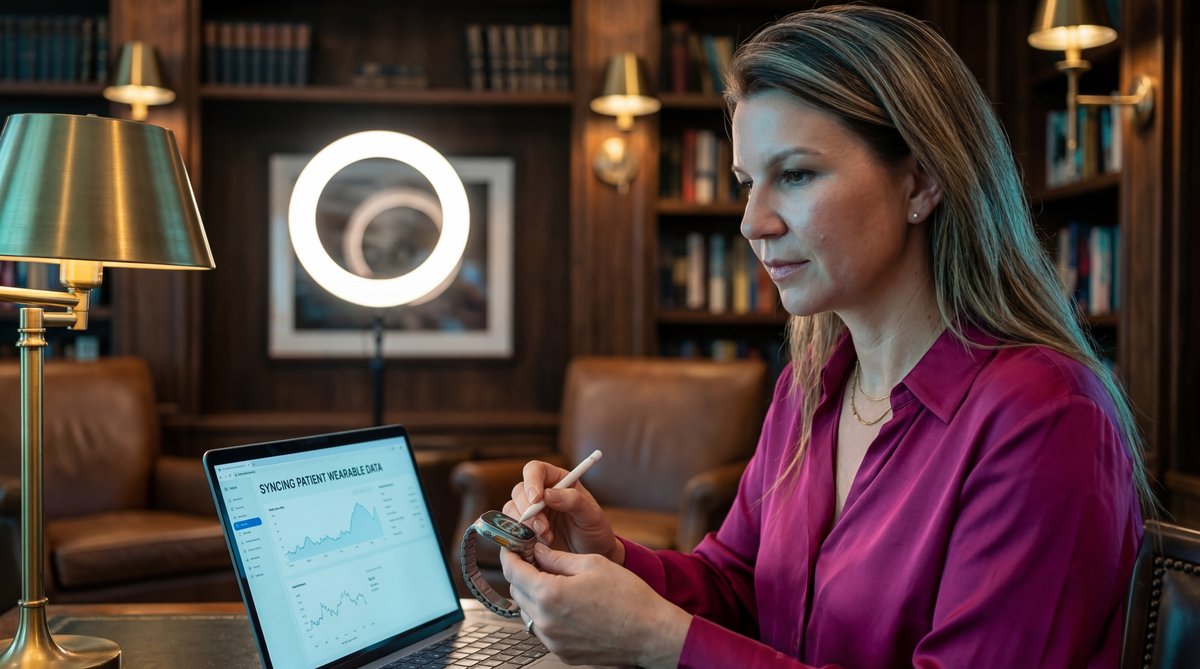
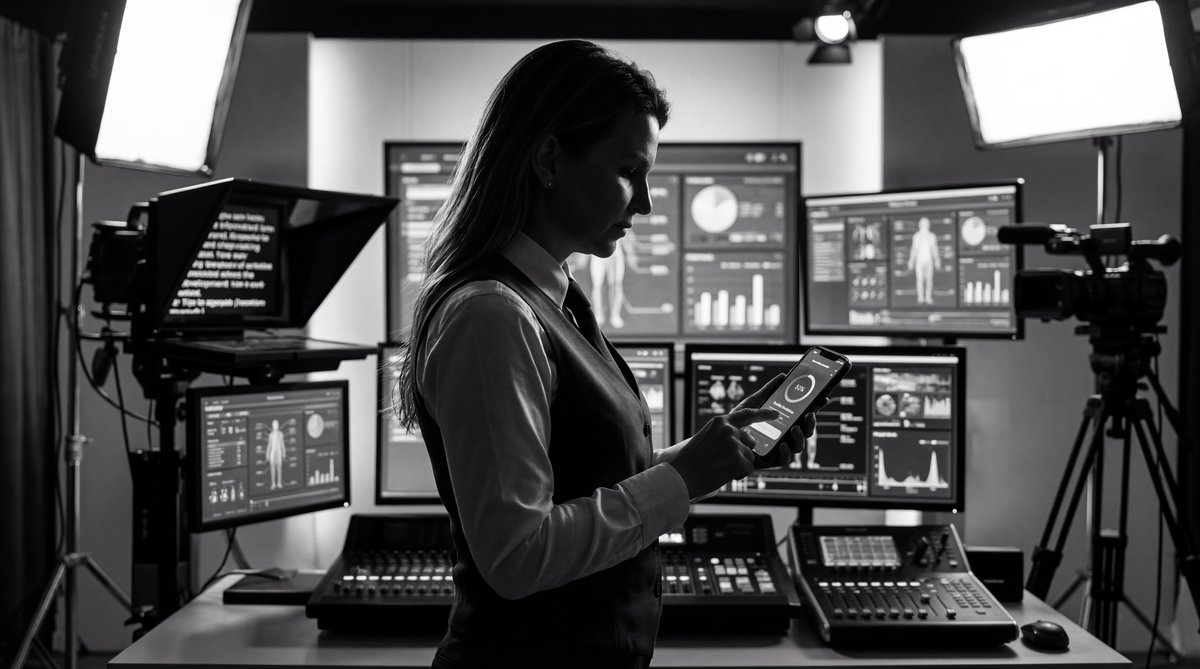
The true, transformative power of a continuous glucose monitor is fully unlocked when its rich data stream is seamlessly integrated into a comprehensive virtual care platform. On its own, a CGM provides excellent personal insight, but when actively paired with an expert, remote medical team, it evolves into an incredibly powerful tool for continuous telemanagement and proactive health intervention. our foundational approach to modern digital health involves creating a secure, continuous feedback loop between the patient and the healthcare provider, ensuring that no critical data point goes unnoticed.
By systematically utilizing AI-assisted health screening algorithms and advanced medical data analytics, this clinical team can expertly review continuous glucose data over the span of weeks and months to identify subtle macro-trends that might not be visible on a day-to-day basis to the naked eye. We meticulously look at advanced metrics such as Time in Range (TIR), which is defined as the percentage of time a patient's glucose levels remain strictly within their medically prescribed target range (typically 70-180 mg/dL). Focusing heavily on TIR, rather than just relying on the traditional, generalized A1C measurement, provides a much more nuanced, accurate picture of daily glycemic control and overall glucose variability.
This continuous, uninterrupted flow of wearable health data means that our virtual medical appointments are far more efficient, deeply focused, and highly productive. Instead of spending the first half of a consultation wasting time downloading traditional meters, troubleshooting cables, and trying to subjectively recall events from weeks ago, the consultation immediately begins with both the patient and the provider looking at the exact same comprehensive, objective data set on their screens. If you are interested in actively exploring more in-depth topics related to digital health innovations and telemanagement, we frequently update our blog with the latest advancements in virtual chronic disease care. This highly collaborative, data-forward medical environment ensures that your care is always highly personalized and immediately responsive to your body's current physiological needs.
- Transforms a standalone wearable device into a comprehensive telemanagement system connected to medical professionals.
- Shifts clinical focus to advanced metrics like Time in Range (TIR), offering a more accurate assessment of metabolic health.
- Streamlines virtual consultations by allowing providers and patients to immediately review shared, objective clinical data.
The Critical Importance of Time in Range (TIR)
For years, the A1C test has been the gold standard for assessing diabetes management, providing an average blood sugar level over the past three months. However, an A1C can be misleading; a patient with wild swings between extreme highs and severe lows could have the same 'average' A1C as a patient with perfectly stable glucose. Time in Range (TIR) solves this problem. By measuring exactly how many hours a day a patient spends in a safe glucose zone, virtual care teams can much better assess the true risk of long-term complications and adjust therapies with pinpoint accuracy.
Enhancing the Virtual Consultation Experience
Integrating CGM data directly into a virtual care platform completely revolutionizes the doctor-patient interaction. Before your telehealth appointment even begins, your provider has already analyzed your glycemic patterns, identified problem areas, and formulated potential adjustments to your care plan. This means your actual appointment time is spent engaged in high-value conversations—discussing your lifestyle, addressing your concerns, and collaborating on solutions—rather than performing basic administrative data gathering.
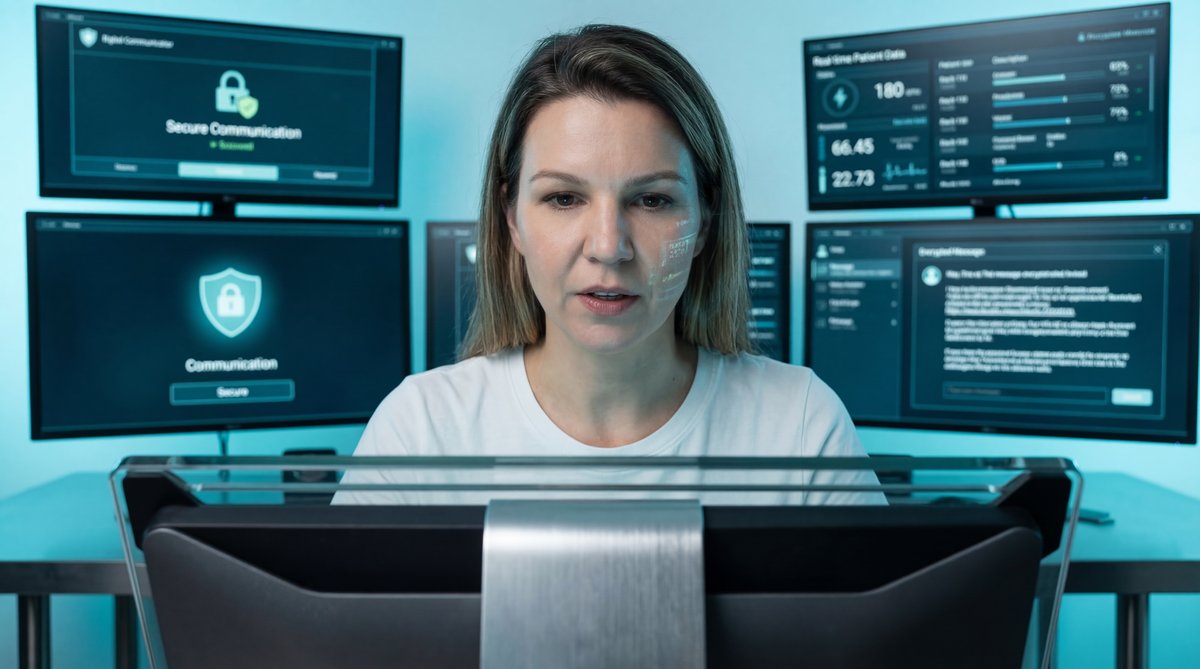
Taking the First Step: How to Start Your Remote Diabetes Management Journey
Transitioning to a highly connected, remote monitoring diabetes care model can certainly feel overwhelming initially, but the entire process is meticulously designed to be incredibly user-friendly and highly supported by clinical professionals. The crucial first step is always to have an open, detailed, and honest conversation with a healthcare professional who actively specializes in virtual care and digital health technologies. During this initial consultation, they will thoroughly evaluate your specific medical history, your daily lifestyle, your current treatment protocols, and your overall comfort level with modern technology to determine precisely which continuous glucose monitoring system is right for you.
Once a specific system is clinically selected and officially prescribed, the technological onboarding process typically involves guided, step-by-step education. Empowering patients with comprehensive knowledge is just as important as prescribing the technology itself. A quality virtual care team will provide extensive support regarding how to properly apply the physical sensor, configure the necessary smartphone applications, set appropriate medical alert thresholds, and interpret basic data trends. You should never be left to figure out the complex technology on your own; ythis clinical team should be virtually present at every step to ensure a smooth, stress-free transition.
As you bravely begin this new healthcare journey, it is vital to remember that digital health technology is simply a tool—a powerful tool meant to significantly enhance your care, not complicate your daily life. Be patient with yourself as you learn to navigate and interpret the new data streams. Over time, effortlessly checking your glucose trends will become as completely second nature as checking the weather forecast on your phone. If you are truly ready to embrace a proactive, technology-forward approach to your metabolic health, we warmly encourage you to talk to your healthcare provider about whether remote glucose monitoring is right for you. Together, you and Dr. V can efficiently build a continuous, proactive, and deeply personalized care plan tailored exactly to your life.
- Begin with a comprehensive virtual consultation to evaluate your medical history and technological needs.
- Receive guided, step-by-step support for setting up hardware, software, and personalized alert thresholds.
- Rely on ongoing educational support from your virtual care team to build confidence in interpreting health data.
Collaborating with Your Virtual Healthcare Team
Success in remote monitoring is fundamentally a collaborative effort. It requires a patient who is willing to wear the device and engage with the data, paired with a clinical team capable of interpreting that data and providing actionable medical advice. Open communication is key. Whether you are experiencing recurring lows after exercise or struggling with the adhesive on your sensor, your virtual care team is there to troubleshoot and optimize your experience. Never hesitate to reach out through the patient portal when questions arise.
Navigating the Initial Learning Curve
It is completely normal to feel a bit of data overload during the first few weeks of wearing a CGM. Seeing your blood sugar fluctuate in real-time can initially cause anxiety, as you become hyper-aware of your body's internal processes. The goal of your virtual care team is to help you filter the 'noise' from the actionable data. You will quickly learn which fluctuations are normal physiological responses and which require a medical intervention or a lifestyle adjustment.
Conclusion
Remote monitoring for diabetes, powered by continuous glucose tracking, represents a monumental, paradigm-shifting leap forward in chronic disease management. By seamlessly replacing outdated guesswork with actionable, real-time insights, this digital health technology fundamentally transforms how patients interact with their own bodies.
You absolutely do not have to navigate the exhausting complexities of diabetes management alone in the dark. With the right digital health tools integrated into your daily routine and a deeply dedicated virtual care team analyzing your data, you can confidently take control of your metabolic health with unprecedented peace of mind.
Are you ready to transform your diabetes management and reclaim your daily life? Talk to your healthcare provider about continuous glucose monitoring and the power of remote diabetes management.
*Medical Disclaimer: Virtual care technology supplements but does not replace in-person medical evaluation when needed. This content is for informational purposes only. Always consult your doctor before making changes to your medical treatment plan.*
Frequently Asked Questions
What is the main difference between a traditional glucometer and a Continuous Glucose Monitor (CGM)?
A traditional glucometer requires you to prick your finger to test a single drop of capillary blood, providing a snapshot of your glucose level at that exact moment. A CGM uses a tiny sensor under the skin to automatically measure glucose in your interstitial fluid every few minutes, providing a continuous trend line and alerting you to rapid highs or lows.
Is remote monitoring for diabetes and CGM technology covered by health insurance?
Coverage varies widely depending on your specific insurance provider, your location, and your exact medical diagnosis (such as Type 1 versus Type 2 diabetes, or whether you require insulin therapy). However, as the immense clinical benefits of remote monitoring become undeniable, an increasing number of insurance plans, including Medicare, are expanding their coverage for these essential digital health devices. Always speak with your healthcare provider and insurance representative to verify your specific benefits.
How often do I need to change my CGM sensor?
The lifespan of a CGM sensor depends entirely on the specific brand and model prescribed by your doctor. Most modern sensors currently on the market are designed to be worn continuously for 10 to 14 days before they need to be painlessly removed and replaced with a new one.
Can virtual care completely replace my regular in-person endocrinologist visits?
While virtual care and remote monitoring can handle the vast majority of day-to-day diabetes management, data analysis, and medication adjustments, it is not designed to completely replace all in-person care. Certain physical examinations, such as comprehensive foot exams or diabetic retinopathy screenings, still require an in-person visit. Virtual care is a powerful supplement that reduces the frequency of necessary in-person visits.
Will a CGM sensor restrict my daily activities like swimming or intense exercise?
Not at all. The majority of modern CGM sensors and their attached transmitters are designed to be highly durable and water-resistant. You can safely shower, bathe, swim, and engage in intense, sweat-inducing physical exercise while wearing the device. If you experience issues with the adhesive peeling during high activity, your virtual care team can recommend special over-patches to secure the sensor.
Virtual care technology supplements but does not replace in-person medical evaluation when needed. This content is for informational purposes only.