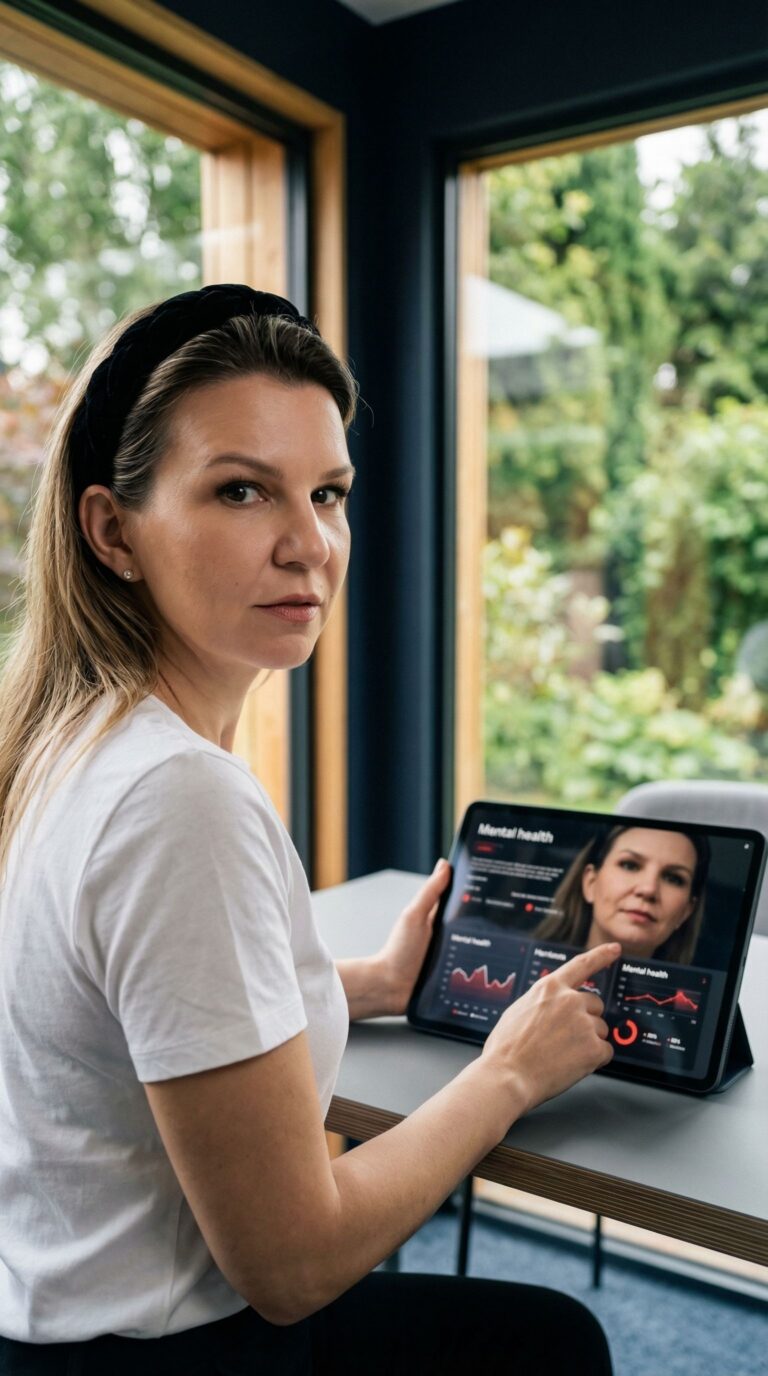
Mental Health Apps: Which Ones Your Doctor Recommends
In an era where our smartphones are our constant companions, they have evolved from simple communication devices into powerful, personalized wellness tools.
However, with over ten thousand mental health and wellness applications currently available in the app stores, the digital landscape is overwhelmingly crowded. For individuals seeking legitimate, effective support for stress, mood regulation, or emotional well-being, sorting through unverified, scientifically baseless apps can be a frustrating and potentially risky endeavor. Without clinical guidance, users often download applications that lack robust privacy protocols or fail to deliver evidence-based interventions.
Navigating this complex ecosystem requires a discerning, medically informed perspective. In this comprehensive guide, we will explore the criteria healthcare providers use to evaluate digital mental health tools and highlight the top mental health apps recommended for various wellness goals. From anxiety apps utilizing cognitive behavioral therapy principles to meditation apps designed for daily stress reduction, you will learn how to safely and effectively integrate these cutting-edge digital health technologies into your broader, data-driven patient care journey.
The Expanding Landscape of Digital Mental Health in Virtual Care
The landscape of healthcare has undergone a dramatic transformation over the last decade, transitioning from a purely reactive model to a proactive, continuous care paradigm. Historically, mental health support was confined to the clinical setting—a scheduled appointment once a week or even once a month. This episodic approach often left patients navigating the complexities of their emotional well-being alone during the long intervals between visits. Today, the integration of digital health technology has revolutionized how we approach psychological wellness. As a core component of modern healthcare, digital mental health tools serve as a constant, accessible companion for individuals seeking to improve their emotional resilience. These applications bridge the critical gap between formal clinical sessions, offering real-time interventions exactly when they are needed most. By leveraging cutting-edge digital health technology, virtual care platforms can now provide continuous, data-driven patient care that extends far beyond the traditional office visit. The proliferation of smartphones and wearable health devices means that physiological and psychological data can be synthesized to create a comprehensive, highly detailed view of a patient's health. For example, heart rate variability and sleep patterns tracked by a smartwatch can be seamlessly correlated with mood logs entered into a mental health app. This interconnected ecosystem empowers both the individual and their healthcare team to make informed, timely decisions. To understand the philosophy behind this integrated approach, you can read more about Dr. Vuslat Muslu Erdem and Dr. V's commitment to continuous, technology-forward healthcare.
- Continuous Support: Providing therapeutic interventions and coping mechanisms outside of standard clinical hours.
- Data-Driven Insights: Harnessing wearable devices and digital logs to track physiological and psychological trends over time.
- Reduced Stigma: Offering a private, discreet avenue for individuals to explore mental wellness on their own terms.
- Cost-Effective Accessibility: Lowering the barrier to entry for evidence-based psychological education and mindfulness training.
Bridging the Gap Between Clinical Appointments
One of the most profound benefits of digital mental health tools is their ability to provide immediate support during acute moments of distress. When a patient experiences a sudden spike in stress or dysregulated mood, they cannot always wait days for an appointment. Mental health apps recommended by professionals often feature 'in-the-moment' coping toolkits, such as guided deep breathing exercises, grounding techniques, or interactive cognitive behavioral prompts. These micro-interventions help stabilize the user's emotional state, preventing minor stressors from escalating into significant crises. Furthermore, the data collected during these moments—such as the time of day, the trigger, and the effectiveness of the intervention—can be reviewed later with a provider, enriching the therapeutic dialogue.
The Role of Remote Patient Monitoring in Mental Wellness
Remote patient monitoring is no longer solely for chronic physical conditions like hypertension or diabetes; it is rapidly becoming a cornerstone of mental healthcare. By integrating wearable health data—such as resting heart rate, sleep architecture, and daily activity levels—with the subjective mood data inputted into mental health apps, providers gain an unprecedented, holistic view of the patient. This continuous stream of information allows for AI-assisted health screening and early detection of potential mental health declines. If a patient's wearable device indicates severe sleep disruption concurrent with app-reported low mood, the healthcare team can proactively reach out, transforming the care model from reactive intervention to proactive prevention.

How Healthcare Providers Evaluate Mental Health Apps
With thousands of mental wellness applications on the market, healthcare providers do not make recommendations lightly. The process of vetting these digital tools is rigorous, ensuring that they align with the highest standards of medical ethics, efficacy, and patient safety. When looking for mental health apps recommended by doctors, it is essential to understand the criteria used to separate clinically valuable platforms from mere digital novelties. Providers utilize frameworks established by leading psychiatric and psychological associations, focusing on principles of E-E-A-T: Experience, Expertise, Authoritativeness, and Trustworthiness. First and foremost, a recommended app must be rooted in evidence-based practices, such as Cognitive Behavioral Therapy (CBT), Dialectical Behavior Therapy (DBT), or clinically validated mindfulness-based stress reduction (MBSR) techniques. Apps that rely on pseudoscientific claims or lack input from qualified mental health professionals are immediately disqualified. Secondly, because mental health data is among the most sensitive information an individual can generate, stringent data privacy and security measures are non-negotiable. Providers look for applications that comply with HIPAA regulations or equivalent strict international data protection standards. Finally, user experience and engagement are critical; an app is only effective if the patient actually uses it. The interface must be intuitive, accessible, and not overwhelming. By evaluating these key pillars, healthcare professionals curate a selection of tools that seamlessly complement our virtual care services, ensuring patients receive safe, effective, and secure digital support.
- Clinical Foundation: Verification that the app's interventions are based on established, peer-reviewed psychological therapies.
- Data Privacy and Security: Strict adherence to data protection laws, ensuring user information is encrypted and never sold to third parties.
- Usability and Accessibility: Intuitive design that accommodates users of all technological proficiencies and accessibility needs.
- Therapeutic Goal Alignment: Ensuring the app's specific focus (e.g., sleep hygiene, anxiety reduction) aligns directly with the patient's individual care plan.
Clinical Validity and Evidence-Based Practices
The cornerstone of any medical recommendation is clinical validity. When a doctor suggests an app, they are looking for platforms that have been subjected to rigorous scientific scrutiny, ideally through randomized controlled trials (RCTs) or peer-reviewed clinical studies. For instance, an app claiming to reduce anxiety must demonstrate statistically significant results in its user base compared to a control group. Healthcare providers heavily favor apps developed in collaboration with academic institutions, clinical psychologists, and medical researchers. This collaborative development ensures that the digital interventions faithfully replicate the core mechanisms of traditional therapy, such as cognitive restructuring or behavioral activation, rather than offering superficial, scientifically unfounded advice.
Data Privacy: Protecting Your Most Sensitive Information
In the realm of digital mental health, data privacy is a paramount concern. Mental health apps often ask users to log deeply personal thoughts, emotional states, and behavioral patterns. Healthcare providers strictly evaluate the privacy policies of these applications before making any recommendations. They look for clear, transparent language regarding how data is collected, stored, and utilized. Apps that monetize user data by selling it to third-party advertisers or data brokers are universally avoided in a clinical setting. Instead, doctors recommend platforms that utilize end-to-end encryption, offer anonymous usage options, and provide the user with complete control over their data, including the ability to permanently delete their historical records at any time.
Top Meditation Apps for Daily Stress Management and Mindfulness
Chronic stress is a pervasive issue in modern society, and its detrimental effects on both physical and mental health are well-documented. To combat the physiological and psychological toll of daily stressors, many healthcare providers frequently recommend meditation apps. These applications serve as accessible entry points for individuals looking to cultivate mindfulness, improve focus, and downregulate their nervous system. The science behind mindfulness-based stress reduction (MBSR) is robust; regular meditation has been shown to lower cortisol levels, decrease blood pressure, and improve overall emotional regulation. By dedicating just a few minutes a day to guided practice, individuals can foster significant improvements in their baseline stress levels. While there are countless options available, a few industry-leading platforms consistently rank among the top mental health apps recommended by professionals due to their comprehensive libraries, scientific backing, and user-friendly interfaces. Apps like Headspace and Calm have set the standard for digital mindfulness, offering tailored programs that address specific concerns such as performance anxiety, grief, and sleep disturbances. These tools empower users to take an active role in their physiological well-being, utilizing breathwork and focused attention to shift the body from a state of 'fight or flight' into a state of 'rest and digest'. Always remember, while these apps are powerful tools for general wellness, they are not a substitute for clinical treatment. If you are experiencing severe distress, you should always speak with your healthcare provider to ensure you are receiving the appropriate level of care.
- Guided Meditations: Structured audio sessions suitable for beginners, teaching foundational mindfulness and breathing techniques.
- Targeted Programs: Specialized courses focusing on specific life challenges, such as work stress, relationship anxiety, or physical pain management.
- Sleep Hygiene Support: Extensive libraries of sleep stories, soundscapes, and progressive muscle relaxation exercises to improve sleep architecture.
- Progress Tracking: Gamified elements and streak tracking to encourage consistent, daily engagement with the practice.
Headspace: A Clinical Approach to Mindfulness
Headspace is frequently recommended by healthcare professionals due to its strong commitment to clinical research and evidence-based content. Originally co-founded by a former Buddhist monk, the app demystifies meditation through engaging, accessible animations and clear, practical instruction. Headspace has participated in numerous clinical trials demonstrating its efficacy in reducing stress, improving focus, and decreasing symptoms of burnout among healthcare workers and corporate employees alike. Its structured 'Basics' course is particularly beneficial for complete novices, gradually introducing the concepts of noting, body scanning, and focused awareness in a non-judgmental, highly supportive digital environment.
Calm: Versatility in Relaxation and Sleep Hygiene
Calm is another titan in the digital mental health space, widely recognized for its vast, diverse library of relaxation content. While it offers excellent guided meditations, Calm is perhaps most frequently recommended for its robust sleep support features. The app's 'Sleep Stories'—narrated by soothing, often recognizable voices—are designed to distract an overactive mind and facilitate the transition into deep sleep. For patients struggling with insomnia or sleep anxiety, integrating Calm into a nightly wind-down routine can be highly effective. Furthermore, the app includes guided stretching, ambient soundscapes, and breathing exercises, making it a versatile toolkit for holistic stress management and nervous system regulation.
Evidence-Based Anxiety Apps Utilizing Cognitive Behavioral Therapy
For individuals managing specific symptoms of generalized worry, social apprehension, or panic, generalized meditation apps may not provide the targeted intervention required. In these instances, healthcare providers often look to anxiety apps that are explicitly built upon the principles of Cognitive Behavioral Therapy (CBT). CBT is one of the most widely researched and highly effective therapeutic modalities for anxiety disorders. It operates on the premise that our thoughts, feelings, and behaviors are deeply interconnected; by identifying and challenging cognitive distortions (unhelpful thought patterns), individuals can alter their emotional responses and subsequent behaviors. Digitizing this process has proven incredibly successful. Top-tier anxiety apps guide users through interactive exercises such as thought diaries, worry time scheduling, and behavioral activation challenges. These tools do not just offer passive listening; they require active cognitive engagement, prompting the user to critically analyze their thought processes in real-time. Applications like Sanvello, Woebot, and Wysa utilize sophisticated algorithms and AI-assisted interfaces to deliver personalized, step-by-step CBT frameworks. By consistently using these evidence-based digital tools, patients can build a robust mental toolkit, increasing their psychological flexibility and resilience against daily triggers. It is crucial to note that while these apps provide excellent psychoeducation and coping strategies, they cannot diagnose or treat clinical anxiety disorders. If your symptoms are interfering with your daily life, please consult your doctor to discuss a comprehensive treatment plan.
- Interactive Thought Diaries: Tools that help users identify the precipitating event, their automatic negative thoughts, and the resulting emotional intensity.
- Cognitive Restructuring Exercises: Guided prompts that challenge irrational fears and help users reframe their thinking into more balanced, realistic perspectives.
- Psychoeducational Modules: Bite-sized audio and text lessons explaining the neuroscience of anxiety and the theory behind CBT mechanisms.
- In-the-Moment Coping Tools: Quick-access features for acute distress, including grounding exercises, rapid breathwork, and self-soothing techniques.
Sanvello: Comprehensive CBT and Peer Support
Sanvello is consistently highly rated among mental health apps recommended by clinicians for its comprehensive approach to anxiety and depression management. Rooted firmly in CBT and mindfulness, Sanvello offers customized daily journeys that adapt to the user's logged mood and self-assessment scores. What sets Sanvello apart is its integration of multiple therapeutic modalities. In addition to rigorous thought tracking and guided meditations, it features a highly active, heavily moderated peer support community. This community aspect allows users to connect with others facing similar challenges, reducing feelings of isolation. Furthermore, Sanvello offers a premium tier that includes coaching and teletherapy, bridging the gap between a self-guided app and formal clinical care.
Woebot and Wysa: AI-Assisted Emotional Wellness
Woebot and Wysa represent the cutting edge of digital mental health: AI-powered conversational agents designed to deliver CBT and DBT interventions through a familiar chat interface. Rather than navigating menus, users simply text with the bot about their day, their worries, or their current mood. The sophisticated natural language processing algorithms identify cognitive distortions in the user's text and respond with empathetic, clinically validated prompts to challenge those thoughts. These apps are particularly appealing to younger demographics and those who find traditional journaling intimidating. They offer the feeling of immediate interaction and support at 2 AM when human providers are unavailable, providing critical, real-time emotional scaffolding.
Tracking Your Mood: Apps for Emotional Regulation and Sleep
A fundamental component of managing any chronic health condition, whether physical or mental, is consistent tracking. You cannot effectively change what you do not measure. In the context of emotional well-being, mood tracking apps are invaluable tools for both patients and healthcare providers. These applications allow users to log their emotional states, energy levels, sleep quality, and daily activities with minimal friction. Over weeks and months, this granular data aggregates into comprehensive visual charts, revealing macro trends and behavioral patterns that might otherwise go unnoticed. For instance, a patient might discover through their tracking data that their mood consistently dips on days following less than six hours of sleep, or that specific social activities trigger delayed anxiety spikes. This data-driven approach to emotional regulation perfectly aligns with the principles of modern virtual care and continuous remote monitoring. By utilizing apps like Daylio or Bearable, patients transition from passive recipients of care to active, informed participants in their health journey. The insights generated by these apps can be seamlessly integrated into clinical consultations. When a patient arrives at a virtual appointment equipped with 30 days of detailed mood and habit data, the provider can spend the session analyzing these objective trends rather than relying solely on the patient's potentially skewed retrospective memory. To explore more about how data analytics is reshaping patient care, visit our digital health blog.
- Customizable Symptom Tracking: The ability to track highly specific, personalized variables such as medication side effects, specific phobia triggers, or energy crashes.
- Correlation Analytics: Automated insights that identify statistically significant relationships between daily habits (e.g., caffeine intake, exercise) and overall mood.
- Medication and Habit Reminders: Integrated push notifications to encourage medication adherence and the maintenance of positive daily routines.
- Exportable Clinical Reports: The capability to generate clean, easy-to-read PDF or CSV reports that can be securely shared with healthcare providers before appointments.
Daylio: Micro-Journaling for Pattern Recognition
Daylio has popularized the concept of 'micro-journaling,' making mood tracking incredibly fast and visually engaging. Instead of requiring users to write long paragraphs, Daylio asks them to select their current mood from a range of colorful icons and then tap the activities they have been doing that day (e.g., working, socializing, exercising, reading). This zero-typing approach drastically increases user adherence; it takes less than ten seconds to complete an entry. Over time, Daylio's robust statistics engine highlights hidden patterns, such as which specific activities correlate with the highest emotional well-being and which habits are consistently present during depressive dips, empowering users to make data-backed lifestyle changes.
Bearable: Correlating Lifestyle Factors with Mental Health
For those who require a more detailed, comprehensive approach, Bearable is often the app of choice. Bearable is designed for individuals managing complex or intersecting health issues, allowing for the meticulous tracking of mood, specialized physical symptoms, sleep metrics, and precise medication dosages. The app excels in its advanced correlation engine. By syncing with Apple Health or Google Fit, Bearable can integrate passive wearable data—like step count and resting heart rate—with the user's subjective mood entries. This allows the app to generate sophisticated insights, showing exactly how sleep architecture, daily movement, and medication timing collectively influence the user's mental health state.
Integrating Mental Health Apps into Your Holistic Healthcare Plan
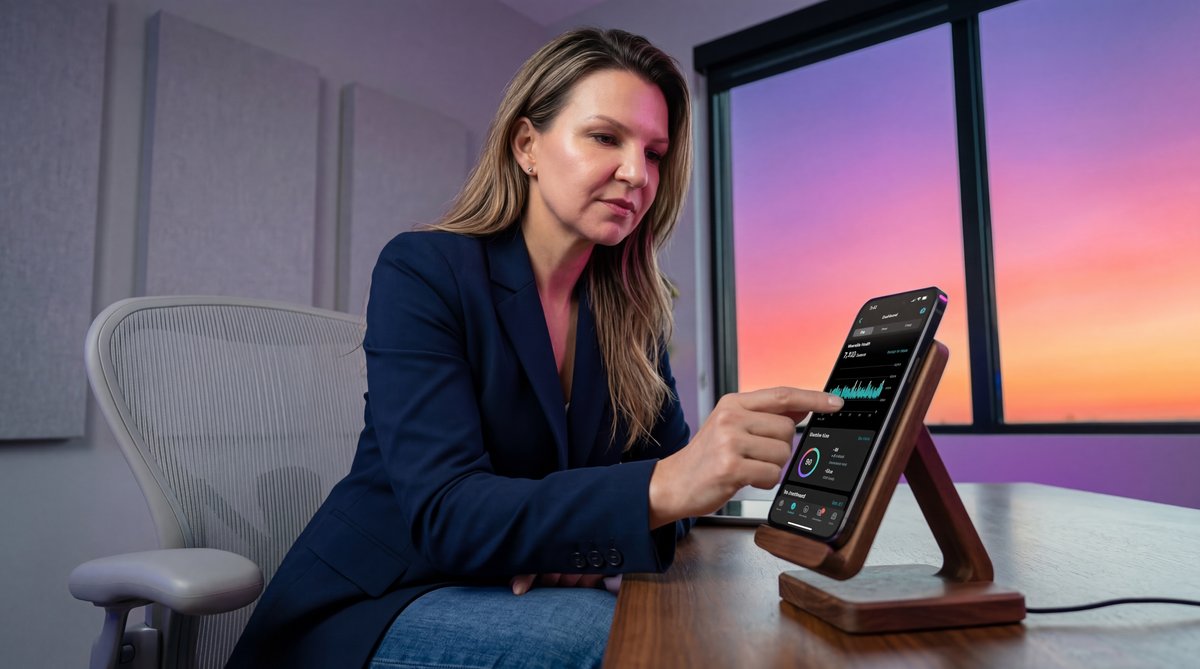
While digital mental health tools are remarkably powerful, their true potential is unlocked only when they are strategically integrated into a broader, holistic healthcare plan. Downloading an app is just the first step; utilizing it effectively requires intentionality, consistency, and clinical collaboration. It is vital to view these applications not as standalone cures, but as supplemental instruments within a comprehensive care strategy. Just as a wearable fitness tracker will not make you healthier unless you act on the data it provides, an anxiety or meditation app requires active, sustained engagement to yield neurological benefits. When beginning your digital wellness journey, start small. Overwhelming yourself by downloading five different apps and attempting to track every minute detail of your life will likely lead to burnout and abandonment of the practice. Instead, select one well-reviewed, provider-recommended app that addresses your primary concern—be it sleep hygiene, general stress, or specific anxiety triggers. Commit to using this single app consistently for at least 30 days to establish a routine. Most importantly, bridge the gap between your digital tools and ythis clinical care. Bring your app data, exported reports, and personal insights to your medical consultations. This transparent sharing of information fosters a powerful 'digital therapeutic alliance' between you and your doctor. If you are ready to build a personalized, data-driven wellness strategy, talk to your healthcare provider about building a personalized, data-driven wellness strategy with the right digital tools.
- Start Small and Be Consistent: Focus on building a sustainable habit with one specific app before introducing additional digital tools into your routine.
- Share Data with Your Provider: Treat your app's data reports as vital medical information, discussing trends and correlations during ythis clinical visits.
- Set Realistic Expectations: Understand that apps are designed to manage symptoms and build resilience, not to provide overnight cures or clinical diagnoses.
- Recognize When to Escalate: Use apps to monitor your baseline; if the app's interventions are no longer effective and symptoms worsen, immediately seek professional clinical care.
Setting Realistic Expectations for Digital Tools
A crucial aspect of integrating mental health apps into your life is setting realistic, medically sound expectations. Digital tools are incredible for building psychological resilience, practicing daily emotional hygiene, and providing immediate, short-term coping mechanisms. However, they are fundamentally limited by their nature as automated software. An app cannot read body language, pick up on subtle vocal inflections, or provide the deep, empathetic human connection that is central to traditional psychotherapy. Users should view these tools as the 'physical therapy exercises' of mental health—essential daily work that supports and maintains the structural interventions provided by a qualified medical professional. They are supplements to, not replacements for, comprehensive medical care.
When to Seek Professional Medical Care
While navigating your wellness journey with digital tools, it is imperative to recognize the limitations of self-guided care and know when to escalate to professional medical intervention. If you are diligently using an evidence-based app but find that your symptoms are stagnating or worsening, this is a clear clinical indicator that a higher level of care is required. Symptoms such as severe depression, overwhelming panic attacks, debilitating insomnia, or any thoughts of self-harm transcend the capabilities of consumer technology. In these instances, you must immediately consult your doctor or a qualified mental health specialist. Digital data can help identify this decline, but only a human provider can offer the necessary clinical treatment, comprehensive evaluation, and prescriptive care required for severe psychological distress.
Conclusion
The integration of digital mental health tools into routine medical care represents a massive leap forward in how we manage psychological well-being. By relying on mental health apps recommended by healthcare providers, patients can confidently avoid digital snake oil and access scientifically validated, secure, and effective interventions. Whether you are utilizing a CBT-based anxiety app to challenge negative thought patterns, a meditation app to lower daily cortisol levels, or a comprehensive mood tracker to correlate lifestyle habits with emotional regulation, these tools empower you with continuous, data-driven support.
Ythis journey toward optimal mental and physical well-being is uniquely yours, but you never have to navigate it alone. By combining the precision of digital health technology with the compassionate oversight of a dedicated medical team, you can achieve a state of continuous, holistic health. Medical Disclaimer: Virtual care technology and digital applications supplement but do not replace in-person medical evaluation when needed. This content is for educational and informational purposes only and does not constitute specific medical diagnoses or prescriptions. Always speak with your healthcare provider regarding your medical conditions.
Explore our blog for more insights on virtual care and health technology, or talk to your doctor about integrating digital tools into your care plan.
Frequently Asked Questions
Are mental health apps as effective as in-person therapy?
Mental health apps are highly effective for symptom management, psychoeducation, and building daily coping skills, but they are not a complete replacement for in-person or formal telepsychiatry therapy. They are best utilized as a supplemental tool alongside professional clinical care. Always consult your doctor to determine the best combination of treatments for your specific needs.
How do I know if a mental health app is keeping my data private?
When looking for mental health apps recommended by professionals, prioritize those that explicitly state they are HIPAA compliant or adhere to strict data protection regulations (like GDPR). Review the privacy policy to ensure the app uses end-to-end encryption, allows you to delete your data permanently, and explicitly promises not to sell your information to third-party data brokers.
Can anxiety apps help with severe panic attacks?
Many evidence-based anxiety apps include 'in-the-moment' acute distress tools, such as guided breathing, grounding exercises, and rapid cognitive reframing, which can be helpful during a panic attack. However, for chronic or severe panic disorders, these tools should be part of a comprehensive treatment plan directed by your healthcare provider.
Should I share the data from my mood tracking app with my doctor?
Absolutely. Healthcare providers highly encourage sharing data from digital mental health tools. Granular data regarding your sleep, mood trends, and habits provides your clinical team with a highly accurate, objective view of your well-being between appointments, allowing for more precise and personalized medical recommendations.
Are recommended mental health apps covered by insurance?
Coverage varies significantly depending on your insurance provider and your specific health plan. While consumer wellness apps (like general meditation apps) are rarely covered, some clinically validated digital therapeutics and specific CBT applications prescribed by a doctor may be partially or fully covered. Speak with your healthcare provider and insurance representative to understand your specific benefits.
Virtual care technology supplements but does not replace in-person medical evaluation when needed. This content is for informational purposes only.