Digital Health Tools Every Patient Should Know About
Healthcare has evolved significantly over the last decade. The days when your health management was limited to a fifteen-minute consultation inside an exam room are behind us. Today, technology allows you to actively participate in your well-being every single day, right from the comfort of your home.
As an Internal Medicine physician at Kelsey-Seybold Clinic in Sugar Land, I often see patients who are eager to take control of their health but feel overwhelmed by the sheer volume of technology available. From smartwatches that track your heart rhythm to apps that monitor your sleep cycles, the options are endless. These innovations are collectively known as digital health tools, and when used correctly, they can be powerful allies in preventing disease and managing chronic conditions.
However, navigating these options requires guidance. Not every app is medically accurate, and not every gadget provides data that is useful for your medical care. This guide is designed to help you understand which digital resources are worth your time, how to evaluate their safety, and how to integrate them into your treatment plan.
What Are Digital Health Tools?
Digital health is a broad umbrella term for the use of telecommunications technologies to collect, share, and manipulate health information to improve patient outcomes. According to the FDA, the scope includes mobile health, health information technology, wearable devices, telehealth, telemedicine, and personalized medicine. These technologies use computing platforms, connectivity, software, and sensors to support healthcare needs.
For the average patient, these tools generally fall into four main categories.
Mobile health apps are software on your smartphone for tracking diet, exercise, medication adherence, or mental health.
Wearable devices include hardware like fitness trackers, smartwatches, and continuous glucose monitors.
Telemedicine platforms are video conferencing tools that allow for virtual visits with your provider.
Patient portals are secure websites that give you around-the-clock access to personal health information, messaging, lab results, and appointment scheduling.
These technologies are reshaping the doctor-patient relationship. They allow for a more continuous stream of data, meaning we can spot trends, like a gradual rise in blood pressure or a decline in physical activity, long before they become emergencies.
The Benefits of Integrating Technology into Your Care
Why should you consider adding digital tools to your daily routine? The primary benefit is empowerment.
Improved Chronic Disease Management
For patients managing conditions like hypertension, diabetes, or heart disease, real-time monitoring changes the equation entirely. Instead of relying on a single blood pressure reading taken during a stressful office visit, which often leads to white coat syndrome, digital cuffs allow you to track your numbers at home. This provides a comprehensive picture of your true health status.
The Community Preventive Services Task Force recommends telehealth interventions for reducing chronic disease risk factors and managing conditions such as cardiovascular disease, diabetes, and high blood pressure. Systematic reviews confirm that using these tools improves medication adherence and helps patients stay on course with their treatment plans.
Accessibility and Convenience
Telemedicine has bridged the gap for those who struggle to get to the clinic due to work schedules, mobility issues, or transportation challenges. Virtual care ensures that you do not have to delay medical advice. Some services work with patients to customize their experience so it is effective for their specific needs, including remote monitoring programs that call patients to help manage blood pressure, diabetes, or weight over the phone.
Personalized Insights
Modern wearable sensors can track heart rate variability, oxygen saturation, and sleep quality. This data helps us tailor lifestyle recommendations specifically to your body’s needs, rather than relying on population averages.
Essential Tools for Modern Patients
If you are looking to build a digital health toolkit, here are the essential components to consider.
The Patient Portal
Your most powerful tool is likely already available to you. The patient portal is your direct line to your medical team. Through secure platforms, you can review lab results, request prescription refills, send secure messages to your doctor, schedule or cancel appointments, and access educational materials tailored to your conditions. Utilizing this tool proactively prevents phone tag and keeps your medical history organized in one secure location.
Validated Wearables and Monitoring Devices
While fitness trackers are excellent for motivation, patients with specific medical needs may require FDA-cleared devices.
Smart blood pressure cuffs sync directly to your phone, creating a log that you can easily share during your next visit. Continuous glucose monitors measure glucose levels throughout the day, providing immediate feedback on how food and exercise affect blood sugar. Smart scales track weight and body composition changes over time, which is helpful for weight management and heart failure monitoring. Pulse oximeters measure oxygen saturation, which is valuable for patients with respiratory conditions.
Mental Health and Wellness Apps
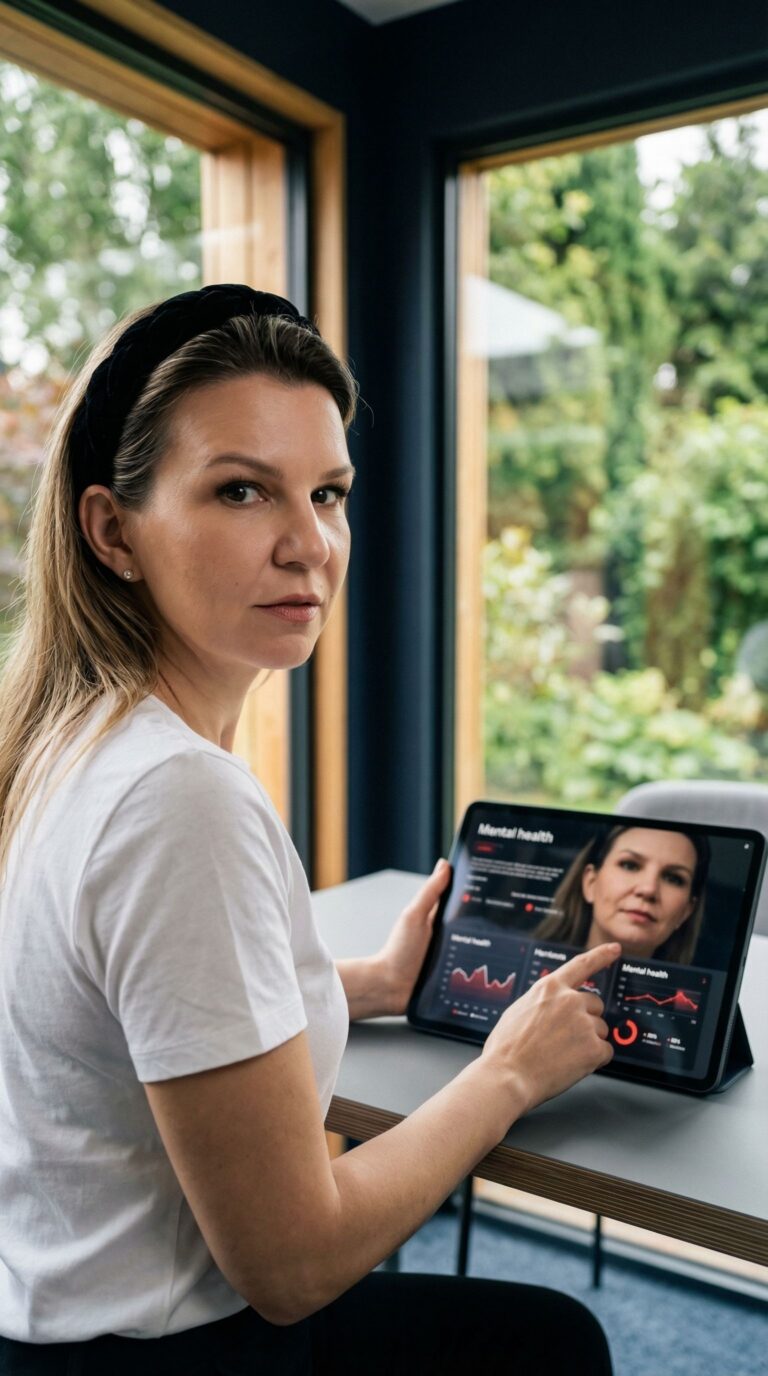
Mental health is intrinsic to physical health. Numerous apps are designed to help with stress reduction, cognitive behavioral therapy, and sleep hygiene. However, it is vital to choose apps that are evidence-based and developed by reputable organizations.
How to Identify a Trustworthy Health App
With hundreds of thousands of health apps available in app stores, quality control is a major concern. Some apps function as general wellness tools, while others claim to act as medical devices. This distinction matters for regulation and accuracy.
Check the Developer
Look at who created the app. Is it a reputable healthcare organization, a university, or a patient advocacy group? Apps developed by unknown entities or those purely focused on selling a product may lack medical oversight. Use caution with apps from organizations that do not display transparent credentials.
Look for Evidence
Does the app cite its sources? A trustworthy app will reference established clinical guidelines or peer-reviewed research to support its advice. Be wary of apps that make sweeping claims without scientific backing or those that rely solely on anecdotal success stories.
Review Privacy Policies
Health data is sensitive. You need to know where your data is going. Does the app sell your information to third parties? Is it encrypted? If the privacy policy is vague or nonexistent, avoid using the app.
Seek Independent Reviews
Do not rely solely on the star rating in the app store. Look for evaluations from independent bodies like the Organization for the Review of Care and Health Apps or reviews in medical journals. These organizations assess apps for clinical quality and data security.
Questions to Ask Your Doctor About Digital Health
Open communication is the key to using these tools effectively. During your next appointment, do not hesitate to bring up your digital health data.
How would you like to see my data? Doctors prefer data in different formats. Some may want a two-week average, while others might want to see the raw logs.
Is there a specific app or device you recommend for my condition? We often have a list of recommended apps that we know are clinically valid and compatible with our systems.
Does this data change my treatment plan? If your home readings are consistently different from office readings, we may adjust your medication or lifestyle recommendations accordingly.
Protecting Your Data Privacy
As we embrace digital health tools, we must remain vigilant about security. While medical providers are bound by HIPAA regulations to protect your data, consumer apps may not be.
Read the fine print. Understand what permissions you are granting an app. Does a calorie counter really need access to your contacts or location?
Use strong passwords. Protect your patient portal and health apps with unique, complex passwords.
Update your software. Keep your phone and apps updated to ensure you have the latest security patches.
Avoid public networks for medical calls. Never conduct a medical video call on public, unsecured Wi-Fi. Ensure your home network is password-protected.
Overcoming the Digital Divide
While we champion the use of technology, we also recognize that not everyone is a tech wizard. You do not need the latest, most expensive smartphone to benefit from digital health. Simple tools, like a basic digital blood pressure cuff or signing up for text message appointment reminders, are excellent starting points.
Technology should serve you, not the other way around. If you feel that a device is causing you anxiety, for instance if you are obsessively checking your heart rate, it is time to step back and discuss this with your physician. These tools are adjuncts to professional care, not replacements. They work best when used to facilitate prevention, early diagnosis, and management while keeping your physician informed.
Partnering for Better Health
The practice of medicine is changing, and digital health tools are at the forefront of this transformation. They offer a unique opportunity to extend care beyond the clinic walls, providing safety, convenience, and deeper insight into your daily health.
However, these tools are most effective when used under the guidance of a board-certified physician. Whether you are looking to manage a chronic condition or simply want to optimize your wellness, we can work together to select the right digital aids for your lifestyle.
The goal is not to replace the vital patient-physician relationship but to enhance it. By thoughtfully selecting and securely using these technologies, you gain greater insight into your health, improve communication with your care team, and ultimately achieve better control over chronic conditions.
—
Medical Disclaimer: This article is for informational purposes only and does not constitute medical advice. Always consult with a qualified healthcare provider for personalized medical guidance. To schedule an appointment with Dr. Vuslat Muslu Erdem, call (713) 442-9100.