Smartwatches for Medication Adherence: A Practical Guide
Managing a complex daily medication regimen can often feel like a demanding part-time job, but emerging digital health tools are fundamentally transforming this daily challenge.
For patients juggling multiple prescriptions, daily vitamins, and over-the-counter supplements, remembering exactly what to take—and precisely when to take it—is a significant and common hurdle. Missed doses, incorrect timing, or accidental double-dosing can severely compromise treatment plans, exacerbate chronic conditions, and impact overall well-being. Traditional methods, such as paper logs and standard plastic pill organizers, while helpful, often lack the proactive nudges required in our fast-paced, modern lives. When life gets busy, relying solely on human memory for intricate medical schedules frequently leads to unintentional non-adherence, which remains one of the most substantial barriers to effective healthcare outcomes.
Today, the wearable devices already sitting securely on our wrists offer a powerful, proactive solution to this widespread problem. This comprehensive guide explores the actionable utility of existing wearable health technology, specifically focusing on how to effectively leverage smartwatch medication reminders to improve adherence. By integrating these smart alerts into your daily routine, you can streamline your health management, reduce the cognitive load of remembering every dose, and ensure your treatment plan integrates seamlessly with modern remote patient monitoring strategies.
Understanding the Critical Importance of Medication Adherence
Medication adherence—the extent to which a patient correctly follows medical instructions—is a fundamental pillar of successful chronic disease management and overall health maintenance. When healthcare providers design a treatment plan, the anticipated outcomes rely heavily on the precise and consistent administration of prescribed therapies. Unfortunately, navigating a complex schedule involving varying dosages, specific timing requirements (such as taking medication with food or on an empty stomach), and multiple frequencies per day creates a substantial cognitive burden. This burden often leads to unintentional non-adherence, where patients simply forget a dose or lose track of their schedule amidst the chaos of daily life. The consequences of this can be profound, particularly for conditions that lack immediate physical symptoms, such as hypertension or hyperlipidemia, where missed doses might not cause immediate discomfort but can lead to severe long-term complications.
In the era of modern digital medicine, finding reliable strategies to support adherence is more important than ever. Wearable health technology bridges the gap between a physician's instructions and a patient's daily execution. By utilizing smart devices, patients transition from passive participants relying on memory to active managers equipped with proactive tools. This digital support system is increasingly becoming a cornerstone of modern virtual care services, where continuous health management extends beyond the walls of a traditional clinical setting and into the patient's everyday environment. Empowering individuals with the right technological tools ensures that complex regimens become manageable, structured routines.
- Consistent adherence maintains stable drug levels in the bloodstream, maximizing therapeutic efficacy.
- Proactive reminders reduce the mental fatigue and stress associated with managing complex health routines.
- Better adherence directly correlates with improved long-term health outcomes and a reduction in preventable hospital readmissions.
The Hidden Costs of Missed Medications
The physiological impact of irregular dosing is significant, often leading to a 'rollercoaster' effect within the body. When a medication is not taken on schedule, the active drug levels in the bloodstream can drop below the therapeutic threshold, rendering the treatment temporarily ineffective. Conversely, taking doses too close together to 'make up' for a missed dose can push drug levels into a toxic range, increasing the risk of adverse side effects. Beyond the physiological toll, consistent non-adherence can obscure the true effectiveness of a prescribed regimen. If a patient's condition does not improve, a healthcare provider might unnecessarily increase a dosage or switch to a more potent medication, unaware that the core issue is simply a matter of inconsistent administration. Utilizing digital trackers provides a transparent, accurate log of adherence, ensuring that medical decisions are based on accurate data regarding how a treatment plan is being followed.
How Smartwatch Medication Reminders Work in Practice
Smartwatch medication reminders operate at the intersection of sophisticated software and highly personalized hardware, creating a system that is fundamentally different from traditional smartphone alarms. While a smartphone alarm can easily be dismissed from across the room or ignored while buried in a purse or pocket, a smartwatch delivers a notification directly to the user's wrist. This physical connection utilizes haptic feedback—a gentle, unmistakable tapping sensation—that immediately captures the user's attention without causing disruptive auditory noise. This discrete notification method is especially beneficial in professional settings, during meetings, or in social situations where a loud alarm would be inappropriate or embarrassing.
Furthermore, the intelligence of these wearable systems lies in their actionable interfaces. When a smartwatch medication reminder activates, it does not merely alert the user to the time; it displays precise, pre-programmed information about the specific medication required. Users can see the name of the drug, the required dosage, and even a visual representation of the pill's shape and color. Crucially, the user must physically interact with the watch to 'log' the medication as taken, skipped, or snoozed. This required interaction engages the user's conscious attention, significantly reducing the likelihood of the 'auto-pilot' dismissal that plagues standard alarms. By transforming a simple alert into an interactive logging event, smartwatches build a reliable, time-stamped history of a patient's adherence over time.
- Haptic feedback provides silent, physical notifications that demand attention without disrupting the user's environment.
- On-screen actionable prompts require conscious acknowledgment, preventing accidental dismissal of important health alerts.
- Visual cues, including pill shapes and colors, help prevent dangerous mix-ups when managing multiple prescriptions.
From Smartphone to Wrist: The Ecosystem Connection
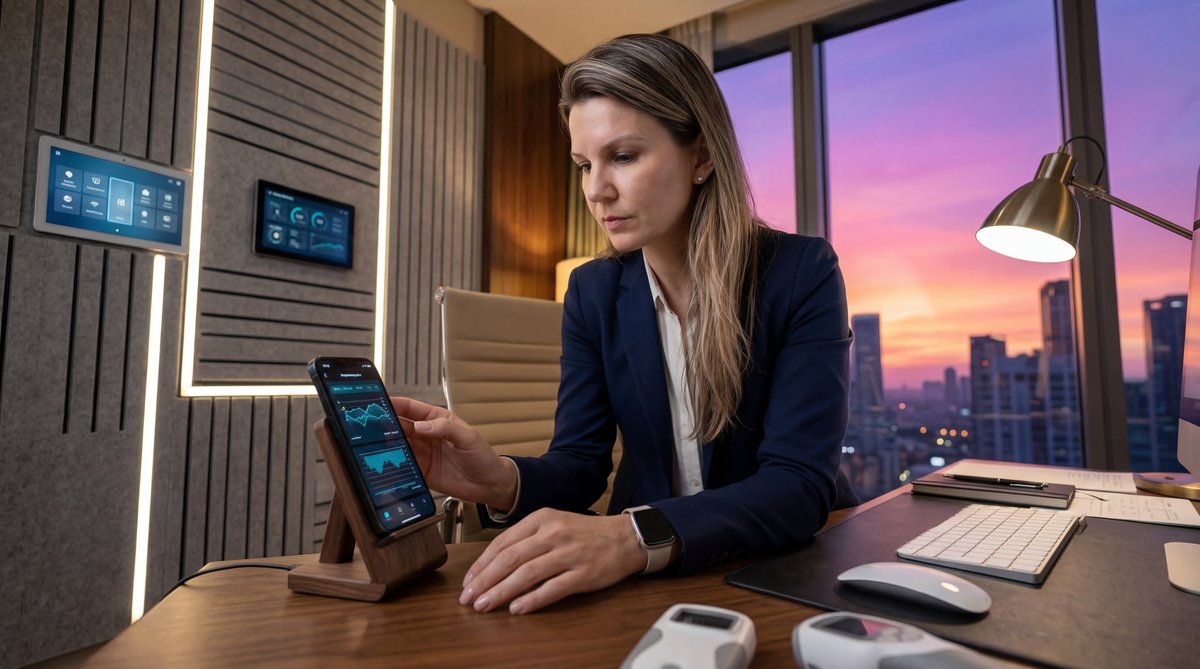
The efficacy of smartwatch medication reminders relies heavily on their seamless integration with the user's broader digital ecosystem, primarily their smartphone. The smartphone acts as the command center where complex schedules, dosages, and specific instructions are initially entered. Applications like Apple Health or Google Fit synchronize this data instantaneously with the paired wearable device. This ecosystem approach means that if a user logs a medication as 'taken' on their wrist, the smartphone app immediately updates the centralized health record. This synchronized data can then be analyzed to view long-term adherence trends, set up automatic refill reminders when supplies run low, and even generate comprehensive reports that can be shared with healthcare providers during consultations.

Step-by-Step Guide: Setting Up Your Smartwatch Medication Reminders
Transitioning from traditional pill organizers to a digital tracking system requires a thoughtful initial setup to ensure long-term success. The setup process generally begins on your companion smartphone, utilizing native health applications that are specifically designed to communicate seamlessly with your wearable device. Before beginning the setup, gather all current prescription bottles, vitamin containers, and supplement packets. Having the physical bottles on hand ensures that you enter the exact names, dosages, and specific administration instructions (e.g., 'take with food') without relying on memory. This initial data entry is the most critical step; the accuracy of your smartwatch medication reminders depends entirely on the accuracy of the information you input.
Once your medications are organized, dedicate a quiet block of time to inputting your regimen. Rushing through this process can lead to scheduling errors that might trigger alerts at inconvenient or incorrect times. As you enter each medication, take advantage of the customization options available in most health apps. Select the appropriate visual icons, set the precise frequency, and determine whether you need a strict, time-specific alert or a more flexible daily reminder. For more detailed insights on maximizing health technology, you can explore comprehensive articles on the digital health blog. Taking the time to properly configure these settings transforms your smartwatch from a simple timepiece into an intelligent, personalized medical assistant.
- Always use physical medication bottles during setup to guarantee the accuracy of dosages and spelling.
- Customize the visual representation (shape and color) of each medication within the app to prevent confusion.
- Set clear, realistic times for reminders that align with your established daily routines, such as waking up or eating meals.
Configuring Apple Health and Apple Watch
For users within the Apple ecosystem, the built-in Medications feature within the Apple Health app offers a robust and user-friendly experience. Open the Health app on your iPhone, navigate to 'Browse,' and select 'Medications.' Tap 'Add a Medication' and use the camera to scan your pill bottle label or type the information manually. The app will guide you through selecting the medication type, strength, and schedule. Importantly, you can choose the exact shape and color of the pill to create a visual cue. Once saved, ensure that your Apple Watch notifications for the Health app are enabled. The watch will now mirror these schedules, delivering a distinct haptic tap and displaying the customized pill icon precisely when your dose is due.
Optimizing Android and Wear OS Devices
Android users have several powerful options for managing their schedules. Google's native solutions, along with highly regarded third-party applications like Medisafe or MyTherapy, integrate beautifully with Wear OS smartwatches. When using a third-party app, download it onto your Android smartphone and follow the in-app prompts to input your medication list and schedule. Once the mobile setup is complete, navigate to your Wear OS device's app store and install the companion watch application. Grant the necessary notification permissions on your phone to allow the app to send alerts directly to your wrist. These apps often offer sophisticated features, such as varying alert tones, interactive snooze functions, and refill tracking, all manageable directly from your watch face.
Advanced Features: Moving Beyond Simple Alarms
While the primary function of smartwatch medication reminders is to ensure you take your pills on time, the true power of wearable health technology lies in its advanced features. These devices are evolving from simple notification delivery systems into comprehensive health management hubs. One of the most significant advancements is the ability to securely share adherence data with trusted family members, caregivers, or even healthcare providers. For elderly patients or those managing complex cognitive conditions, giving a remote caregiver access to adherence logs provides an invaluable safety net. If a scheduled dose is missed and not logged on the watch within a certain timeframe, the system can automatically notify the designated caregiver, allowing them to follow up with the patient before a missed dose becomes a medical emergency.
Another highly practical advanced feature is intelligent travel and timezone management. For individuals who travel frequently across different time zones, maintaining a strict medication schedule can be incredibly confusing. Modern health applications automatically detect changes in time zones and can intelligently adjust your reminder schedules. Depending on your settings, the app can either maintain the absolute time interval between doses (essential for certain time-sensitive medications) or adjust the reminders to match your new local schedule (suitable for daily vitamins or flexible medications). This intelligent adaptability removes the mental gymnastics of calculating dose times while traveling, ensuring consistent adherence regardless of your geographic location.
- Caregiver sharing features provide peace of mind by notifying family members if critical medications are skipped.
- Automatic timezone adjustments eliminate the confusion of calculating dosage schedules during domestic or international travel.
- Refill tracking monitors your inventory based on your logged doses, alerting you before you run out of essential prescriptions.
Integration with Remote Patient Monitoring
The data generated by your daily interactions with your smartwatch medication reminders is increasingly valuable in the context of remote patient monitoring. When a patient consistently logs their medication adherence, this data can be securely synthesized with other vital signs tracked by the wearable, such as heart rate or blood oxygen levels. For instance, a physician can observe how closely a patient's adherence to blood pressure medication correlates with their tracked resting heart rate over a 30-day period. This holistic, data-driven view empowers healthcare providers to make highly informed, personalized adjustments to treatment plans, shifting the focus from reactive treatment to proactive, continuous care management.
Overcoming Common Challenges with Wearable Health Technology
Despite their incredible utility, relying on smartwatch medication reminders introduces unique technological and psychological challenges that must be actively managed. The most prevalent issue is 'alert fatigue.' When a user receives too many notifications from various apps—emails, text messages, news alerts, and social media—the critical health reminders can easily become lost in the digital noise. If a patient becomes habituated to blindly dismissing notifications without reading them, the entire medication tracking system breaks down. To combat alert fatigue, it is essential to aggressively manage your smartwatch notification settings. Silence or disable non-essential alerts, ensuring that when your wrist buzzes, you immediately recognize it as a high-priority health notification.
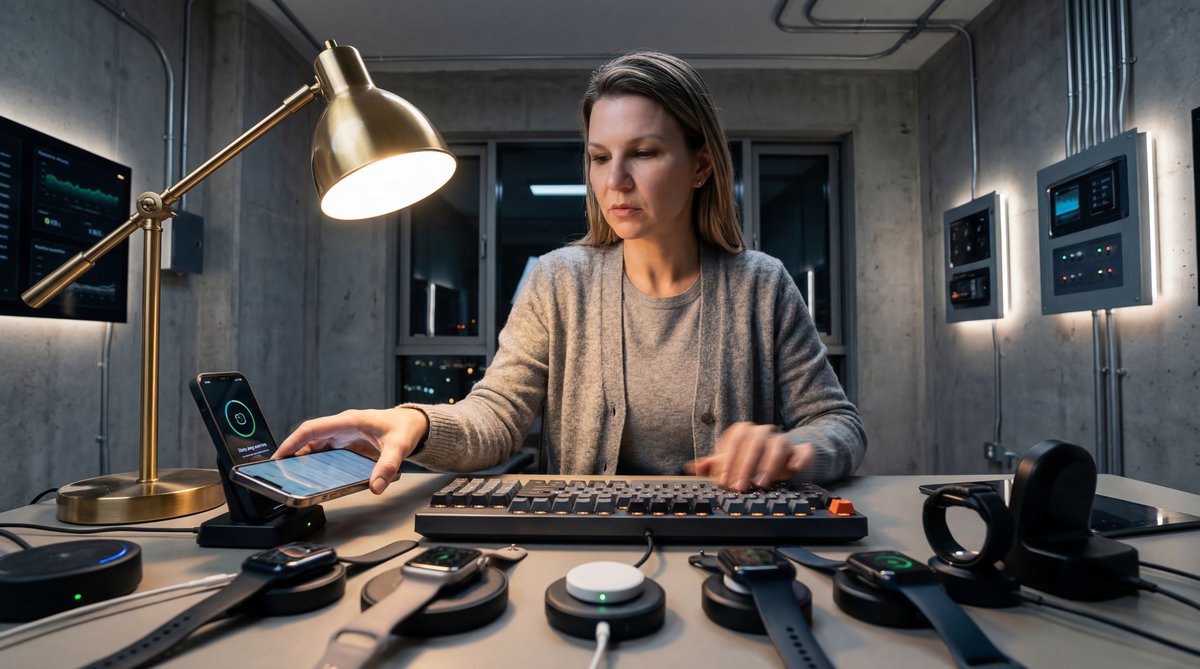
Another common challenge is device battery management. A smartwatch is only useful if it is powered on and worn on the wrist. 'Battery anxiety' or simply forgetting to charge the device can result in missed reminders. Establishing a strict, consistent charging routine is vital. For example, charging the watch while showering or during a specific period of downtime ensures it has sufficient power throughout the day and night. Finally, patients must consider data privacy and security, as detailed in the About section regarding modern patient empowerment. Health data is highly sensitive, and entering complete medication lists into digital applications requires trust in the platform's security. It is crucial to use reputable, HIPAA-compliant applications, enable two-factor authentication on your accounts, and ensure your smartwatch is protected with a secure passcode.
- Mitigate alert fatigue by disabling non-essential app notifications, reserving wrist alerts strictly for critical health and communication needs.
- Establish a daily charging habit that aligns with periods when medication reminders are not scheduled, ensuring continuous monitoring.
- Protect sensitive health data by using strong device passcodes and relying only on native ecosystem health apps or verified third-party developers.
Ensuring Data Privacy and Security
When utilizing digital health platforms, safeguarding your personal medical information must be a top priority. Native applications like Apple Health and Google Fit utilize advanced encryption protocols, ensuring that your health data is stored securely on your device and encrypted during transit to cloud backups. If you opt for third-party medication management apps, carefully review their privacy policies before inputting sensitive data. Verify that the developer complies with healthcare privacy standards and explicitly states that they do not sell your health data to third-party marketers. Additionally, always keep your smartphone and smartwatch operating systems updated to the latest versions, as these updates frequently contain vital security patches that protect against emerging vulnerabilities.
Integrating Wearables into Your Overall Health Strategy
Adopting smartwatch medication reminders is not merely about setting a digital alarm; it is about fundamentally integrating wearable technology into a broader, comprehensive health strategy. The modern patient—often referred to as an 'e-Patient'—uses technology to become a more engaged, informed, and proactive participant in their own healthcare journey. The objective adherence data collected by your smartwatch serves as a powerful communication tool between you and your medical team. Instead of relying on vague estimations of how well you followed a treatment plan over the last six months, you can present your doctor with concrete, time-stamped logs. This factual foundation allows for much more productive medical consultations, focusing on optimizing the treatment rather than attempting to guess adherence rates.
However, it is vital to maintain a balanced perspective on the role of technology. Wearable devices are sophisticated tools, but they are not a substitute for professional medical judgment. A smartwatch cannot evaluate the severity of a side effect, nor can it determine if a specific medication is still appropriate for your evolving health condition. The technology exists to facilitate the administration of your prescribed regimen, not to alter or diagnose it. If managing your health requires extensive coordination, patients often use their healthcare provider's contact portal to securely message their care team with questions about data trends. Ultimately, combining the precise tracking capabilities of a smartwatch with the expert guidance of a certified physician creates a highly effective, modern approach to managing complex health needs.
- Export and share your adherence logs with your doctor to provide an accurate, data-driven picture of your daily health management.
- Use the insights gained from tracking to identify patterns in your behavior, such as specific times of day when you are most likely to miss a dose.
- Always remember that technology is an administrative aid; any decisions regarding medication changes must be made exclusively by a qualified healthcare provider.
Preparing for Your Next Medical Consultation
To maximize the value of your wearable data, prepare to share it effectively during your next medical appointment. Most comprehensive health applications allow you to generate and export PDF reports detailing your medication adherence over specific time frames. Before your visit, review this report to identify any persistent challenges or missed doses. Bring this documentation to your appointment to facilitate a transparent discussion with your physician. If you notice consistent difficulties adhering to a particular schedule—perhaps a midday dose is consistently forgotten during work hours—your doctor can use this concrete information to explore alternative dosing strategies, such as switching to an extended-release formulation that only requires morning administration.

Conclusion
Effectively managing a complex medication schedule is critical for sustaining optimal health and managing chronic conditions. By embracing the capabilities of wearable health technology, specifically smartwatch medication reminders, patients can significantly reduce the mental burden of daily health routines. These devices provide discrete, actionable, and trackable alerts that transform the way we interact with prescribed treatments, offering a reliable bridge between a physician's instructions and daily execution.
Navigating modern healthcare requires modern tools, but you never have to navigate it entirely alone. Embracing digital health solutions empowers you to take control of your daily wellness while maintaining a strong, data-informed connection with your care team. Virtual care technology supplements but does not replace in-person medical evaluation when needed. This content is for informational purposes only.
If you are struggling with a complex medication schedule, talk to your doctor or schedule an appointment with your doctor to discuss strategies that work best for you.
Frequently Asked Questions
Can I use any smartwatch for medication reminders?
Most modern smartwatches from major brands like Apple, Google, Garmin, and Samsung support medication reminders. However, the experience varies. Devices deeply integrated into their mobile ecosystems (like Apple Watch with Apple Health) offer the most seamless, built-in functionality, whereas others may require downloading specific third-party applications.
How do smartwatch medication reminders help with complex schedules?
Smartwatches help by delivering physical, haptic notifications directly to your wrist, requiring you to actively acknowledge or log the dose. You can program specific times, dosages, and visual pill identifiers for multiple different medications, completely removing the need to remember these details from memory.
Are third-party medication tracking apps safe to use?
Many highly rated third-party apps are safe and compliant with privacy regulations, but it is essential to do your research. Always read the privacy policy, ensure the app uses encryption, and verify that they do not sell user health data to outside marketers before inputting your medication list.
What happens to my medication reminders if my smartwatch battery dies?
If your smartwatch battery depletes and the device turns off, you will not receive wrist-based alerts. However, because the watch syncs with your smartphone, the companion health app on your phone will still trigger standard audio and visual notifications to ensure you do not miss your dose.
Does a smartwatch replace a traditional physical pill organizer?
Not necessarily. A smartwatch replaces the need for an alarm clock or memory, while a traditional pill organizer helps physically separate and store the pills. Using a digital reminder in conjunction with a physical pill organizer is often the most effective, fail-safe strategy for complex regimens.
Virtual care technology supplements but does not replace in-person medical evaluation when needed. This content is for informational purposes only.