Virtual Care in 2026: How Technology Is Changing Medicine
The days when seeing a doctor meant sitting in a waiting room for an hour for a ten-minute conversation are quickly fading behind us. Just a few years ago, telemedicine was often viewed as a temporary fix, a backup plan for when you could not make it into the office. But the reality has shifted dramatically.
Virtual Care in 2026 is no longer just an alternative. For many patients, it has become the primary operating system of healthcare: sophisticated, integrated, and designed to fit into your life rather than forcing you to rearrange your life around it.
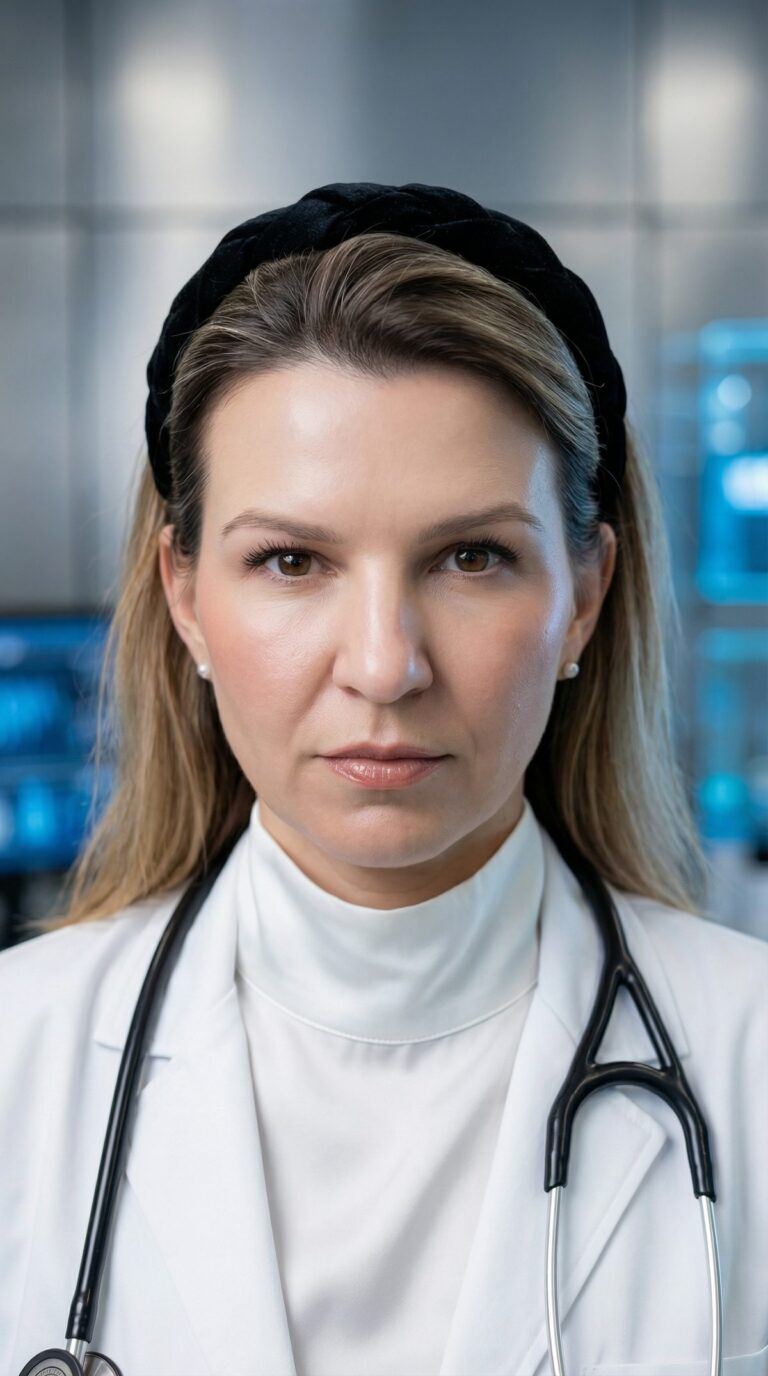
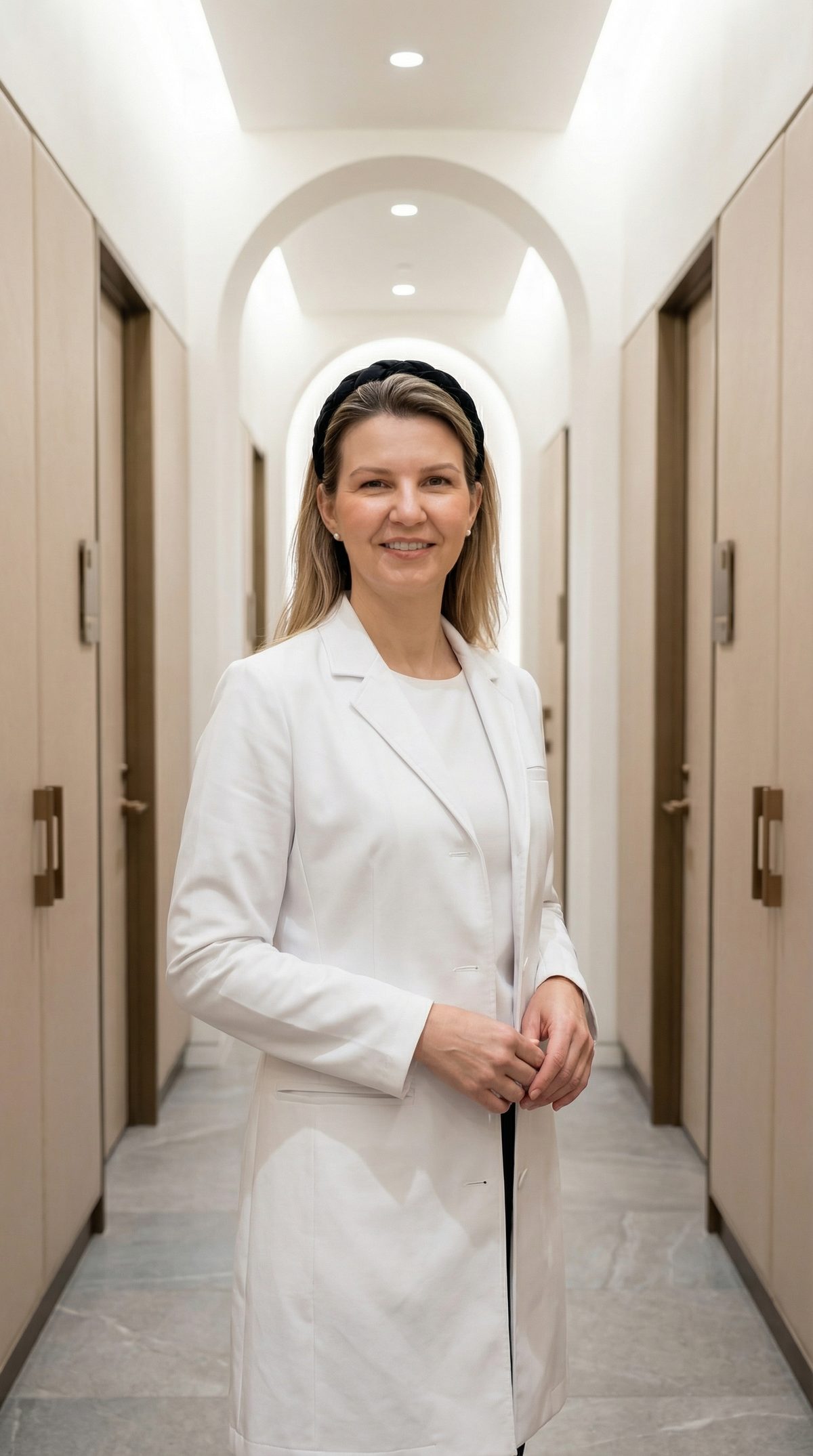
As an Internal Medicine physician at Kelsey-Seybold Clinic in Sugar Land, I have watched this evolution firsthand. We have moved beyond simple video calls to a comprehensive ecosystem where your health is monitored and managed continuously. Whether you are managing a chronic condition like hypertension or simply need a quick consultation for a sinus infection, the technology available today allows us to provide care that is often faster, more accurate, and more personalized than ever before.
The Evolution of Virtual Care in 2026
To appreciate where we are today, it helps to understand how the definition of telehealth has expanded. In previous years, telehealth usually referred to a live video or phone call that directly replaced an in-person visit.
Virtual Care in 2026 represents a much broader ecosystem. It extends far beyond the walls of a practice, weaving technology seamlessly into the fabric of care delivery. It is not just about the moment you are speaking with me on a screen; it is about the entire journey before and after that conversation.
Early adoption focused primarily on connecting rural patients with specialists through basic video calls. Between 2017 and 2021, the percentage of U.S. hospitals offering telemedicine services jumped from approximately 46 percent to more than 70 percent. Currently, roughly 76 percent of hospitals in the United States connect doctors and patients remotely. This significant increase signifies that telehealth has moved beyond emergency protocols into standard operating procedures.
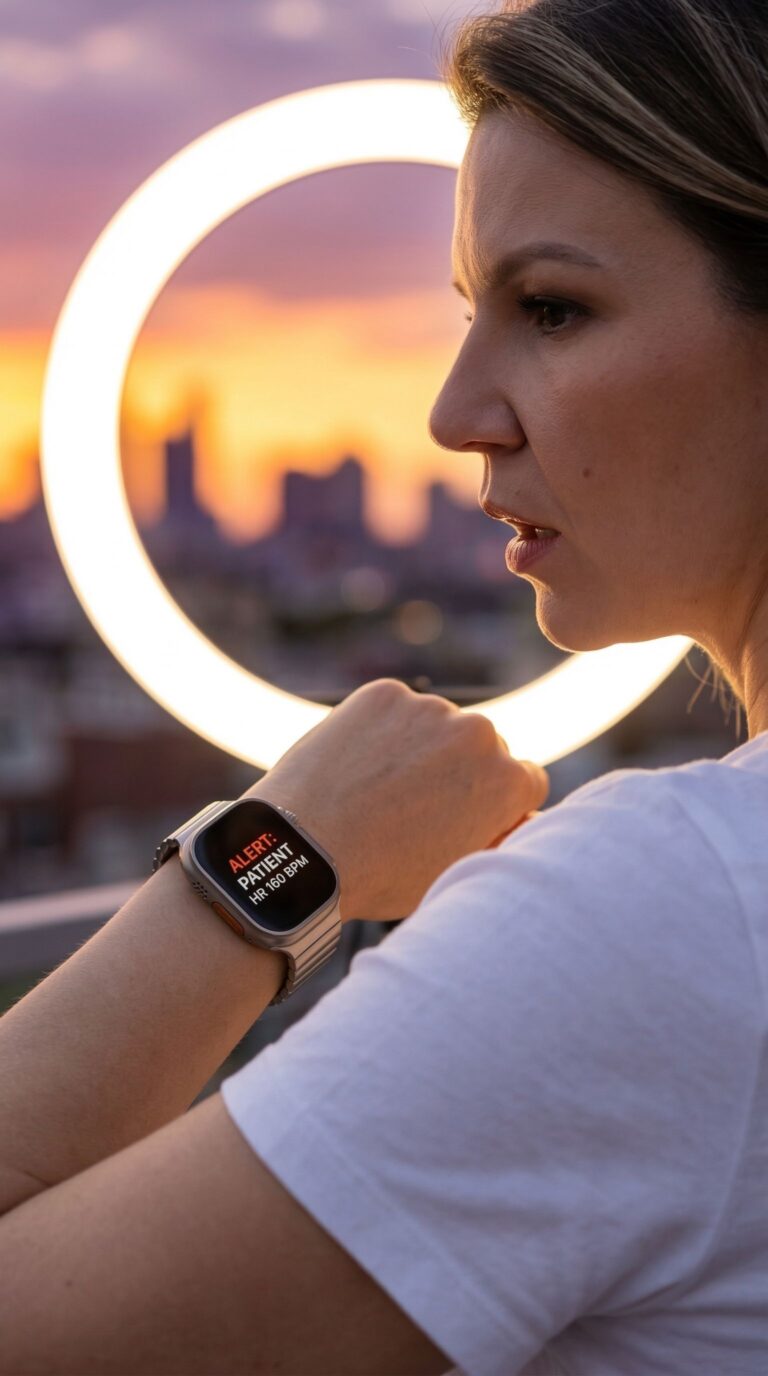
The modern virtual care ecosystem includes three key components. First, asynchronous visits allow patients to send data, messages, or photos for review without a live appointment. Second, Remote Patient Monitoring uses wearable devices that track vitals and send data directly to your medical chart. Third, AI-supported coordination uses smart systems to prioritize urgent cases and streamline administrative tasks.
This shift means that healthcare is becoming continuous rather than episodic. Instead of only seeing a doctor when you are sick, virtual care tools allow us to maintain wellness and catch issues before they become emergencies.
AI as a Clinical Co-Pilot
One of the most meaningful developments I discuss with my patients is the role of Artificial Intelligence. I know the term can sometimes sound impersonal or intimidating, but in the medical field, AI is acting as a powerful support tool that enhances the doctor-patient relationship rather than replacing it.
Smarter Triage and Faster Responses
AI-powered tools can now analyze patient messages for urgency. If you message the clinic with symptoms of chest pain, the system flags it immediately for review, ensuring that critical issues are never buried under administrative requests. For routine questions, the system routes them to the right team member, whether that is a nurse, pharmacist, or physician. This means when you reach a human, you are already a step closer to a solution.
Documentation That Keeps Your Doctor Present
During our virtual visits, AI tools assist with transcribing our conversation and drafting clinical notes. This allows me to look you in the eye and listen to your concerns rather than typing on a keyboard throughout our appointment. It also leads to more accurate and comprehensive records, which means better-coordinated care across specialists and settings.
Proactive Risk Detection
By analyzing data trends from your history and remote monitoring devices, AI can identify risk patterns, such as a slowly rising blood pressure trend, that might otherwise go unnoticed until they become a problem. AI reduces provider burnout by cutting manual tasks, automating prior authorizations, and assisting with clinical documentation. This allows physicians to focus more on listening to patients rather than managing paperwork.
The Hybrid Care Model: Best of Both Worlds
The old debate of virtual versus in-person care is obsolete. The standard in 2026 is hybrid care, a thoughtfully blended model where each type of visit serves a specific purpose. This is not about convenience alone; it is about matching the modality to the medical need.
When Virtual Visits Work Best
Virtual visits are ideal for follow-up appointments for stable chronic conditions like hypertension or diabetes, where we review home-monitored data. They work well for medication management and refill discussions, preventive counseling on diet, exercise, and smoking cessation, and initial assessments for skin conditions, minor respiratory illnesses, or mental health check-ins. Post-discharge check-ins after a hospital stay or procedure are also well-suited for the virtual format.
When In-Person Care Is Essential
Certain situations always require hands-on evaluation. Your care team will guide you to an in-person visit for new, undiagnosed symptoms that require a physical exam, procedures, vaccinations, or wound care, complex chronic disease management where nuanced physical findings are key, and any situation where your provider feels an in-person assessment is necessary for your safety.
The key is that this decision is made collaboratively, often after an initial virtual touchpoint, ensuring you only come in when truly needed.
Asynchronous Care: Fitting Healthcare into Your Life
Not every medical concern requires a 15-minute video call. One of the most patient-friendly trends in Virtual Care in 2026 is the normalization of asynchronous care.
Asynchronous care refers to interactions that do not happen in real time. It is the medical equivalent of sending a text rather than making a phone call. For busy professionals and parents, this is often the most convenient way to access care.
Common uses include uploading a high-resolution photo of a rash or mole for review, requesting a medication refill for a stable condition by answering a short clinical questionnaire, and reporting on how a new medication is working via secure messaging.
Programs that integrate secure messaging directly with your electronic health record and order entry allow your clinician to review your message, send a prescription to your pharmacy, or order a lab test within the same secure thread. This respects your time, allowing you to initiate care between meetings or after the kids are asleep, while still ensuring a board-certified physician reviews your case.
Team-Based Virtual Care
The most effective virtual care models in 2026 are team-based. Your digital front door connects you not just to one doctor, but to a coordinated network. A typical virtual team might include your primary care physician for overall oversight and complex decision-making, nurse practitioners and physician assistants for follow-ups and acute issues, clinical pharmacists for comprehensive medication therapy management, registered dietitians and social workers for holistic support, and behavioral health specialists integrated into primary care.
This model ensures that when you send a message about a new symptom, a triage nurse might capture details first. A pharmacist can then review your full medication list for interactions before your doctor sees you. This layered approach improves safety, efficiency, and outcomes while making your experience smoother.
Preparing for Your Next Virtual Visit
While the technology has improved, the quality of a virtual visit still depends heavily on preparation. Here are five practical steps to make the most of your remote appointment.
Check your tech early. Do not wait until the appointment time to log in. Test your camera, microphone, and internet connection ten minutes prior. If you are using a mobile device, ensure you have a strong signal.
Lighting and location matter. Sit in a well-lit room with the light source facing you, not behind you. This allows me to physically assess you, checking for pallor, rashes, or other visual cues. Choose a quiet, private space where you feel comfortable discussing sensitive health information.
Have your data ready. If you have a blood pressure cuff, thermometer, or pulse oximeter at home, take your vitals right before the call. Have a current list of your medications and dosages nearby.
Write down your questions. It is easy to forget your main concerns once the camera turns on. Write down your top three questions or symptoms beforehand.
Be ready to show. If you have a physical symptom like a swollen joint or a skin issue, wear loose clothing that allows you to easily show the area on camera.
The Human Element Remains Central
Despite all the talk of AI, algorithms, and data streams, the heart of medicine remains the relationship between patient and physician. Technology is the vehicle, but trust is the fuel.
Virtual Care in 2026 is not about replacing human doctors with machines. It is about removing the friction from healthcare. It is about saving you the drive when you feel terrible, catching a heart condition before it sends you to the emergency room, and giving you the tools to understand your own body better.
At Kelsey-Seybold Clinic, we are committed to using these advanced tools to provide compassionate, high-quality care that fits your life. Whether we meet face-to-face in Sugar Land or screen-to-screen from your living room, my goal as your physician remains the same: to help you achieve your best possible health.
If you are looking for a primary care physician who embraces modern technology while prioritizing personal connection, I invite you to schedule a visit. The future of your health is accessible, intelligent, and designed around your life.
—
Medical Disclaimer: This article is for informational purposes only and does not constitute medical advice. Always consult with a qualified healthcare provider for personalized medical guidance. To schedule an appointment with Dr. Vuslat Muslu Erdem, call (713) 442-9100.